Worried that tiny bugs in your bed might be more than just a nuisance? If you’re asking yourself "are bed bugs dangerous," you’re not alone, and you’re right to take the question seriously.
Bed bugs don’t spread disease the way mosquitoes or ticks do, but they can still cause real problems for your skin, your sleep, and your overall wellbeing. Understanding what they can and can’t do to your health is the first step to protecting your family and deciding how quickly you need to act.
To answer this directly: bed bugs are rarely life-threatening, but they absolutely can affect your health and quality of life. The main concern is not a single bite; it’s what happens when the bites keep coming night after night.
Repeated exposure can lead to intense itching, broken skin, and stress that builds over time. For some people, the effects of bed bugs show up as anxiety, poor sleep, and a constant fear of being bitten again.
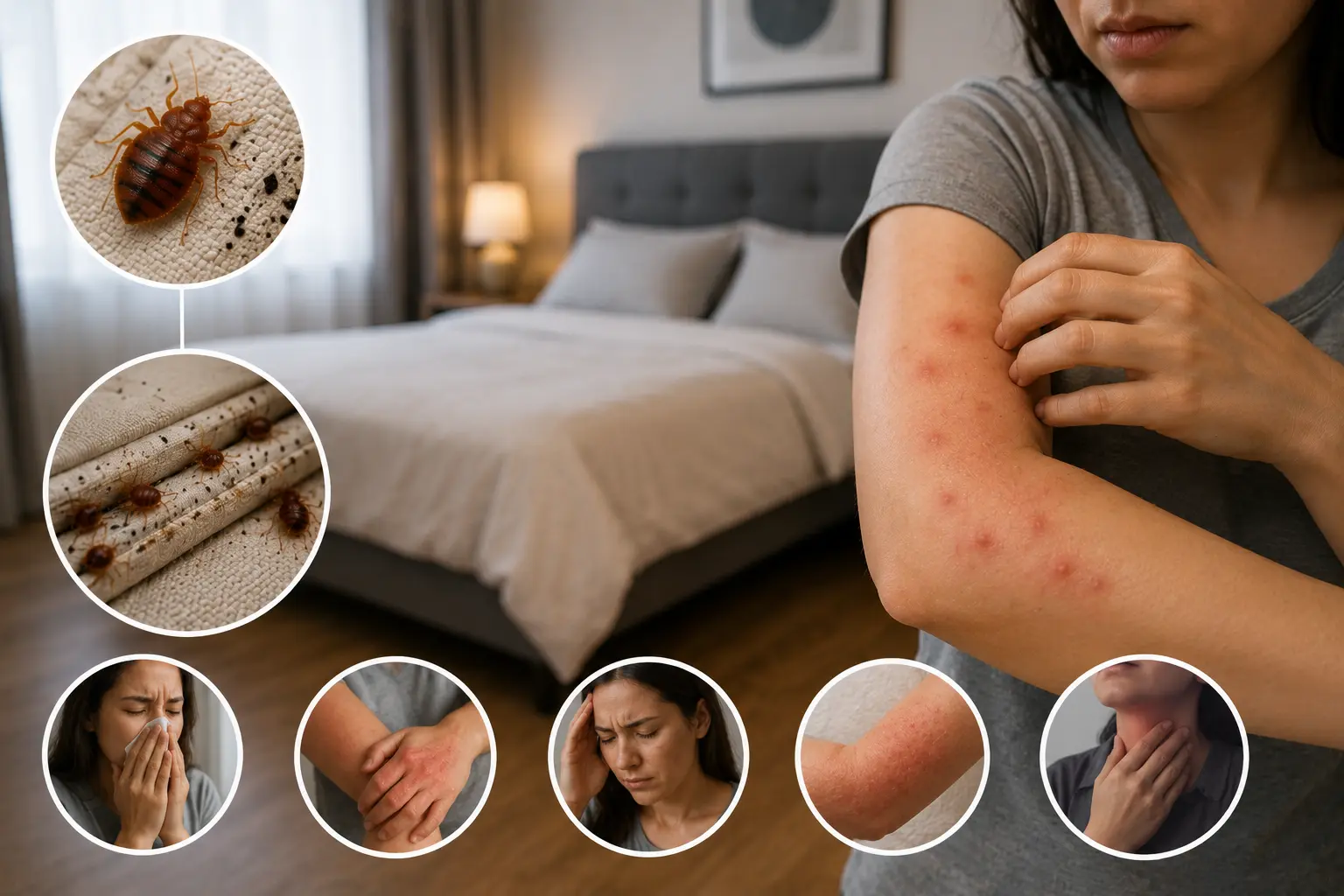
The most obvious problem is the reaction your skin has to bed bug bites. Some people wake up with small, itchy welts in lines or clusters on exposed areas like arms, legs, neck, or back.
Scratching those welts can open the skin and increase bed bug health risks by allowing bacteria from your fingernails or bedding to enter.
Current research shows that confirmed bed bug diseases in humans are extremely rare, even though bed bugs have been found to carry certain germs in lab settings.
The bigger issue is secondary infection, where open bite marks can become red, swollen, and painful if bacteria get in, especially in children, older adults, or anyone with a weaker immune system.
Most people notice itchy red bumps that appear a few hours after being bitten, but the timing can vary. In some cases, bed bug bites don’t show up until a day or two later, which makes it hard to link them to a specific night.
The pattern often gives a clue: you might see several bumps in a row, sometimes called a "breakfast, lunch, and dinner" line, usually on areas that were not covered by clothing while you slept.
For some individuals, a bed bug allergy can turn a mild reaction into large, swollen welts that feel hot or very tender.
Watch for signs like widespread hives, swelling of the lips or face, or trouble breathing, and seek urgent medical help if those symptoms appear after suspected bites.
Itching for days can be one of the most frustrating bed bug symptoms, especially if you’re already struggling with sensitive skin or conditions like eczema.
If you notice pus, crusting, or intense pain at the site of bites, it could point to infection and may require medical treatment.
Living with an ongoing infestation can wear people down in ways that aren’t obvious at first glance. Over time, health problems from bed bugs can include chronic sleep loss, irritability, and difficulty concentrating at work or school.
Some people start avoiding bedrooms and couches altogether, trying to sleep in chairs or with all the lights on, which only adds to the exhaustion.
On top of the physical discomfort, the effects of bed bugs often extend into emotional health, leading to embarrassment about inviting visitors and tension within households.
For parents, it can be especially upsetting to see children scratching at night or waking up afraid to sleep in their own beds.
Anyone can be bitten, but certain groups feel the impact more strongly, including infants, pregnant women, older adults, and people with existing skin problems.
In crowded housing or shared living spaces, pest health concerns can become community issues, because bed bugs can easily spread from one room or unit to another.
Even if you only see one or two insects at first, a growing bed bug infestation health burden can build quietly in the background while the bugs hide in cracks, seams, and furniture joints.
As the population increases, bites usually become more frequent, and people in the home may start to blame their rashes on soap, laundry detergent, or food long before they suspect insects.
Repeated clusters of bed bug bites can lead to sleepless nights, more daytime fatigue, and a constant itch-scratch cycle that keeps skin from healing.
In multi-person households, one person might react strongly while another shows almost no marks, which can cause confusion about what’s really happening.
It’s common for people dealing with an infestation to feel embarrassed, even though bed bugs are not a sign of poor hygiene or a dirty home.
Ongoing worry about being bitten can create stress and even panic, and some people start checking sheets and mattresses multiple times a day just to feel a bit safer.
Most mild to moderate reactions can be managed at home if you keep the skin clean and avoid harsh scratching. Washing the area with mild soap and cool water is a simple first step.
For many people, over-the-counter anti-itch creams or oral antihistamines offer enough bed bug bite treatment to reduce swelling and calm the urge to scratch.
If you develop a severe bed bug allergy with large, painful welts or other systemic symptoms, it’s important to see a doctor promptly for proper evaluation.
Any sign of infection, such as spreading redness, warmth, or fever, also deserves medical attention to prevent complications.
While you’re arranging an inspection, washing bedding and clothing on a hot cycle and drying on high heat can kill live bugs and eggs on fabrics.
Enclosing mattresses and box springs in certified bed bug covers can help trap existing insects and reduce the number of new bites while a treatment plan is put in place.
If you suspect bed bugs, do a slow, careful check of seams on mattresses, sofas, headboards, and nearby furniture, looking for tiny dark spots, shed skins, or live insects.
You can also reduce bed bug health risks by clearing clutter around beds and sofas, which gives the insects fewer hiding places and makes inspections more effective.
Act fast: The earlier an infestation is caught, the easier and safer it usually is to treat.
Limit scratching: Keep fingernails trimmed and use topical relief so bites don’t break open.
Document bites: Taking dated photos can help doctors and pest professionals understand what you’re dealing with.
Follow treatment instructions: If you work with a licensed pest control provider, follow their prep and safety guidance closely.
For people with asthma, allergies, or other respiratory issues, dust and debris from bed bug infestations can add to pest health concerns in the home.
Professional pest control teams are trained to balance effective elimination with product safety, especially where children, older adults, or pets are present.
So, are bed bugs dangerous to your health? For most people, they’re more of a serious nuisance than a medical emergency, but their bites, the stress they cause, and the risk of infection are all good reasons to take action quickly.
If you’ve seen signs of activity or unexplained bites, don’t wait for the problem to grow; reach out to a trusted local professional like Kiran Enterprises to inspect your space, confirm what’s going on, and design a safe, targeted plan to clear the infestation and help you sleep easier again.
Get a same-day inspection from our certified technicians.
Chat on WhatsAppOr call +91 98452 73699