
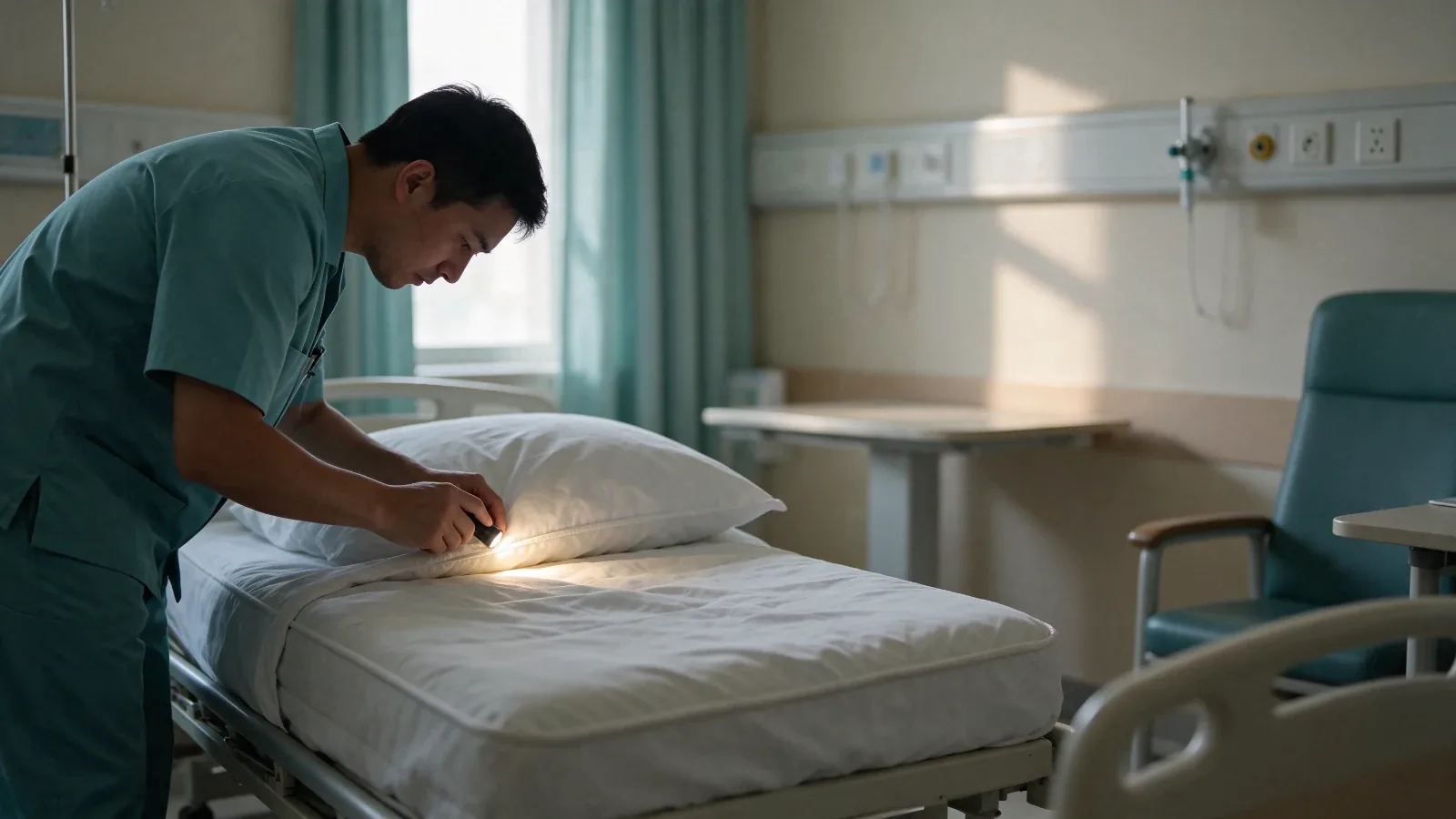
Bed Bug Control for Hospitals and Healthcare Facilities requires careful inspection, coordinated treatment, and strict attention to patient safety. Hospitals, nursing homes, clinics, and other healthcare establishments in Bangalore may encounter bed bugs through luggage, clothing, patient belongings, furniture, or other items brought into the facility.
Although bed bugs are not established as significant transmitters of infectious diseases, their presence can cause discomfort, anxiety, skin reactions, and operational disruption. This guide from Kiran Pest Control explains how healthcare facilities can identify bed bug activity, respond safely, and develop practical prevention and monitoring procedures.
Why Bed Bug Control Is Important in Healthcare Facilities
Healthcare environments require a more carefully coordinated pest management approach than many ordinary commercial properties. Patients may have limited mobility, sensitive skin, respiratory conditions, or other circumstances that affect how inspections and treatments should be conducted.
Patient Comfort and Wellbeing
Bed bug bites can cause itching, irritation, and sleep disturbance in some individuals. Repeated scratching may also contribute to secondary skin infections, particularly when the skin is already vulnerable.
Not everyone develops visible reactions to bed bug bites. Healthcare staff should avoid diagnosing bed bug activity from skin marks alone and instead seek physical evidence of the insects.
Risk of Bed Bugs Moving Between Areas
Bed bugs can travel with clothing, luggage, bedding, upholstered furniture, and personal belongings. In healthcare facilities, the movement of patients, visitors, staff, and equipment may create opportunities for insects to reach other areas.
Careful handling of suspected infested items can help reduce unnecessary movement between patient rooms, waiting areas, and storage spaces.
Operational and Reputation Concerns
Suspected bed bug activity may require temporary restrictions on affected furniture or rooms while inspection and treatment are arranged. Poorly coordinated responses can disrupt patient care and create unnecessary concern.
A documented pest management procedure helps facility managers respond consistently, communicate appropriately, and maintain a professional care environment.
Common Bed Bug Hiding Places in Hospitals and Clinics
Bed bugs prefer narrow, protected spaces close to areas where people sit or rest. Hospital furniture and surrounding structures may provide suitable hiding places even when rooms are cleaned regularly.
Hospital Beds and Mattresses
Inspect mattress seams, piping, bed frame joints, headboard connections, and accessible gaps in bed structures. Hospital mattresses with damaged covers or exposed seams may require closer assessment.
Cleaning staff should report unexplained dark marks, insects, or shed skins rather than assuming the evidence is ordinary dirt.
Patient Waiting Areas
Upholstered chairs, sofas, and other seating may provide protected spaces for bed bugs introduced through personal belongings. Inspect cushion seams, furniture joints, and accessible undersides when activity is suspected.
Bed bugs do not require an unclean environment to survive. Routine housekeeping alone may not reach insects concealed inside furniture.
Patient Rooms and Accommodation Areas
Bedside cabinets, visitor chairs, curtains, and protected furniture gaps may shelter bed bugs. Staff accommodation and patient lodging areas may also require attention when infestation evidence is reported.
Inspection priorities should be based on confirmed findings, movement patterns, and the location of suspected activity rather than assuming that every room is affected.
Laundry and Storage Areas
Potentially infested bedding and personal belongings can introduce bed bugs into laundry handling or storage areas. Items should be contained and processed according to the facility's approved procedures.
Staff should avoid shaking suspected infested fabrics or transferring them openly through patient care areas.
How to Identify Bed Bug Infestations in Healthcare Facilities
Early identification helps healthcare teams respond before suspected activity becomes more widespread. Staff should be trained to recognise physical evidence and report findings through the facility's established process.
Common Warning Signs
- Live reddish-brown bed bugs around mattress seams or furniture joints.
- Small dark faecal spots on mattresses, bed frames, or upholstery.
- Pale, translucent shed skins inside protected furniture gaps.
- Tiny whitish eggs attached to seams or concealed surfaces.
- Unexplained stains associated with other bed bug evidence.
- Reports of insects observed on bedding, furniture, or belongings.
Skin reactions alone cannot confirm bed bugs because other insects and medical conditions can cause similar symptoms. Physical identification should guide pest management decisions.
Reporting Suspected Activity
Staff should notify the designated facility manager, infection prevention team, or pest management coordinator when suspicious evidence is found. Record the location, observed signs, and relevant movement of affected belongings.
If an insect specimen is available, preserve it safely in a sealed container for identification. Avoid handling potentially infested items unnecessarily.
Professional Inspection
A trained pest control technician can inspect affected furniture, accessible structural gaps, and nearby areas. The findings help determine whether bed bugs are present and which locations require treatment or monitoring.
For professional assistance, explore bed bug control services in Bangalore from Kiran Pest Control.
Suspected bed bugs in your healthcare facility? Arrange a professional inspection and discuss a treatment plan coordinated with your facility's safety procedures.
Get a Free Quote Call NowSafe Bed Bug Treatment Methods for Hospitals
Bed bug treatment in healthcare facilities must consider patient vulnerability, medical equipment, occupied rooms, and infection prevention requirements. Treatment decisions should be coordinated with facility management and the responsible clinical safety team.
Integrated Pest Management
Integrated Pest Management combines inspection, identification, containment, targeted treatment, and ongoing monitoring. This approach prioritises selecting suitable control measures based on actual pest activity.
It also helps facilities avoid unnecessary pesticide applications in sensitive environments. The appropriate treatment method depends on the infestation, room conditions, and approved facility procedures.
Targeted Chemical Treatment
Where appropriate, licensed professionals may use insecticides specifically authorised for the intended application. Product labels, ventilation requirements, patient exclusion measures, and re-entry instructions must be followed.
Never apply insecticides directly to patients, occupied bedding, medical supplies, or sensitive equipment. Chemical treatment should be considered only after assessing the environment and relevant safety requirements.
Professional Heat and Steam Treatment
Controlled heat can kill bed bugs and eggs when the required conditions reach the insects. Steam may also be useful on certain accessible furniture seams and surfaces.
However, heat and moisture can damage medical equipment, electrical components, mattresses, and other materials. Healthcare facilities should assess equipment compatibility and safety before approving these methods.
Vacuuming and Physical Removal
Careful vacuuming may remove accessible bed bugs, eggs, and debris from suitable surfaces. Vacuum equipment and collected material must be handled in a way that reduces the risk of insects escaping or being transferred elsewhere.
Vacuuming alone is not a reliable solution for insects concealed inside inaccessible furniture joints or structural gaps.
Follow-Up Inspection and Monitoring
Some bed bugs or viable eggs may remain after an initial treatment, depending on the method used. Follow-up inspection helps determine whether activity continues and whether further control measures are necessary.
Rooms or furniture should return to normal use only after the facility's safety requirements and applicable treatment instructions have been satisfied.
Bed Bug Prevention Strategies for Healthcare Facilities
Preventive procedures can help healthcare establishments identify pest activity early and reduce unnecessary movement of insects between areas. Effective prevention depends on staff awareness, appropriate housekeeping, and coordinated reporting.
Train Housekeeping and Nursing Staff
Staff should understand how to recognise bed bugs, dark faecal marks, shed skins, and suspicious eggs. Training should also explain whom to notify and how to avoid spreading potentially infested materials.
Employees should not independently apply insecticides or attempt uncontrolled treatment in patient care areas.
Inspect Furniture and Equipment
Include mattress seams, bed frames, visitor chairs, and upholstered furniture in relevant inspection procedures. Damaged mattress covers and difficult-to-clean furniture may require repair, replacement, or closer examination.
Furniture arriving from external locations should be checked when there is a reasonable concern about infestation.
Handle Suspected Infested Linen Carefully
Potentially infested bedding should be contained before transport and processed using an appropriate laundry procedure. Heat-based laundering or drying may help control bed bugs when the material tolerates the required conditions.
Healthcare laundry teams should follow the facility's infection prevention and textile handling policies.
Maintain Clear Communication
Facility managers, housekeeping supervisors, infection prevention personnel, and pest control providers should coordinate inspections and treatment activities. Accurate records help prevent repeated investigations and unnecessary disruption.
Patient privacy and dignity should be maintained throughout the response. Bed bug activity should not be used as a reason to stigmatise patients, visitors, or staff.
Developing a Hospital Bed Bug Management Plan
A documented management plan helps healthcare facilities respond consistently when bed bugs are suspected or confirmed. The plan should reflect the facility's layout, patient needs, and existing safety procedures.
Recommended Management Checklist
- Identify and report: Record suspected insects, stains, shed skins, or other physical evidence.
- Confirm the pest: Arrange identification through a qualified professional.
- Assess affected areas: Inspect relevant furniture, belongings, and nearby locations.
- Contain suspected materials: Prevent unnecessary transfer of potentially infested items.
- Coordinate treatment: Review proposed methods with facility management and the clinical safety team.
- Protect patients and staff: Follow appropriate exclusion, ventilation, and re-entry requirements.
- Monitor results: Conduct follow-up inspections and document continuing activity.
- Review procedures: Update staff guidance and prevention measures based on inspection findings.
Hospitals, nursing homes, diagnostic centres, and rehabilitation facilities may require different procedures depending on patient care activities and building conditions.
Professional pest management should support, rather than interfere with, the healthcare facility's established infection prevention and patient safety protocols.
Need a coordinated bed bug management plan for your hospital? Contact Kiran Pest Control to discuss inspection requirements and appropriate pest control options for your facility.
Get a Free Quote Call NowFrequently Asked Questions
Can bed bugs spread diseases in hospitals?
Bed bugs are not established as significant transmitters of infectious diseases to humans. However, their bites may cause itching, allergic reactions, sleep disturbance, and secondary skin infections associated with scratching, making prompt identification and appropriate management important.
How do bed bugs enter hospitals and healthcare facilities?
Bed bugs may be introduced through clothing, luggage, personal belongings, upholstered furniture, or other transported items. Their presence does not necessarily indicate poor housekeeping or inadequate hygiene.
Is chemical bed bug treatment safe in patient rooms?
Chemical treatment requires careful assessment of patient vulnerability, product suitability, ventilation, and re-entry instructions. Only appropriately authorised products and application methods should be used, with treatment coordinated through the facility's safety procedures.
Should a hospital close an entire ward after finding bed bugs?
Finding bed bugs does not automatically require closing an entire ward. The response should depend on confirmed infestation findings, patient safety considerations, containment needs, and the assessment of facility management and relevant healthcare personnel.
How can hospitals prevent recurring bed bug infestations?
Staff awareness, prompt reporting, careful handling of potentially infested belongings, targeted inspections, and follow-up monitoring can help reduce recurring problems. A documented Integrated Pest Management programme supports consistent prevention and response procedures.
Conclusion
Effective Bed Bug Control for Hospitals and Healthcare Facilities requires a coordinated approach that prioritises patient safety, accurate identification, appropriate treatment, and continued monitoring. By training staff, inspecting relevant furniture, containing suspected infestations, and following healthcare safety procedures, Bangalore hospitals and clinics can manage bed bug activity while minimising disruption to patient care.
Kiran Pest Control (Kiran Enterprises) is a licensed pest control company serving Bangalore since 2006. For professional bed bug control in Bangalore, request a free quote or contact our team at +91 98452 73699. Explore more pest control articles or visit the Kiran Pest Control homepage for additional information.
Need help with a pest problem?
Contact Kiran Pest Control to discuss the issue and arrange an inspection.
Contact our teamNeed Pest Control in Bangalore?
Get a same-day inspection from our certified technicians.
Contact Our Team Chat on WhatsAppOr call +91 98452 73699