
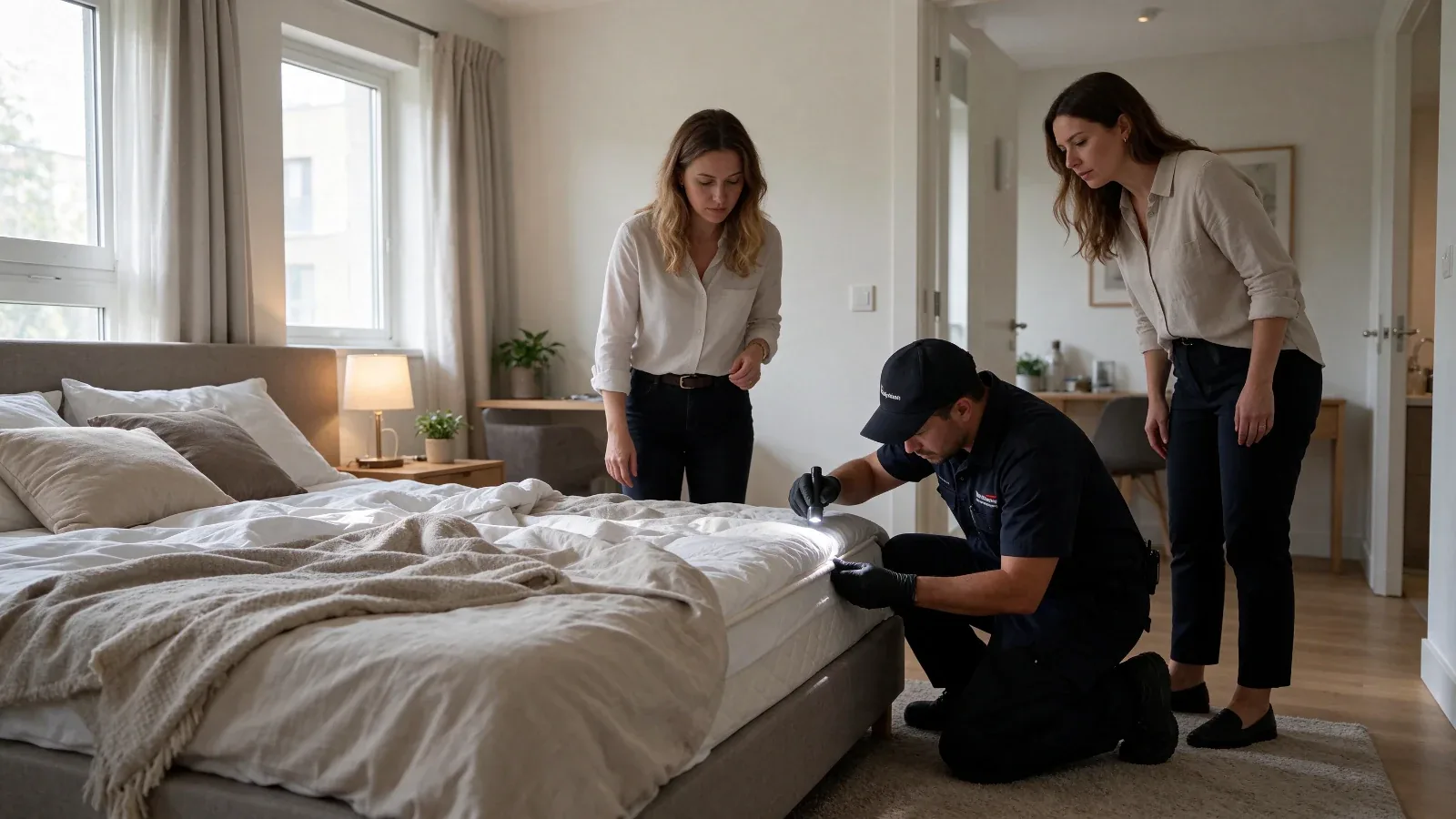
Bed Bug Management for Rental Properties is an important responsibility for landlords, tenants, property managers, and owners of furnished accommodation in Bangalore. Bed bugs can enter rental homes through luggage, clothing, second-hand furniture, and personal belongings, creating discomfort for occupants and complications during tenant changes.
Whether you manage an independent house, apartment, paying guest accommodation, or furnished rental unit, early identification and coordinated treatment can help prevent bed bugs from spreading. This guide from Kiran Pest Control explains how to recognise infestations, manage treatment responsibilities, prepare rental properties, and reduce recurring problems.
Why Bed Bug Management Matters in Rental Properties
Rental properties may experience frequent movement of residents, visitors, furniture, and belongings. These activities can introduce bed bugs even into clean and well-maintained accommodation.
Tenant Comfort and Satisfaction
Bed bug bites may cause itching, skin irritation, sleep disturbance, and anxiety. An unresolved infestation can affect tenant comfort and lead to complaints or disagreements about property maintenance.
Responding promptly to credible reports helps maintain communication and supports a more comfortable living environment.
Risk of Spreading Between Rental Units
Bed bugs may travel with furniture, clothing, luggage, and other belongings. In apartment buildings, they may also move through certain structural gaps or adjoining spaces.
When activity is confirmed, inspection of relevant neighbouring areas may be appropriate based on the building layout and infestation findings.
Challenges During Tenant Changes
Bed bugs may remain concealed in furniture joints, mattress seams, and protected cracks after occupants move out. An apparently empty apartment is not necessarily free from infestation.
Inspecting furnished rental units before new occupancy can help identify suspicious evidence and allow treatment planning before another tenant moves in.
Importance of Early Intervention
Bed bugs are difficult to control when they remain hidden across several locations. Early reporting and professional inspection can help identify affected areas before treatment becomes more complicated.
Landlords and tenants should avoid assigning blame without evidence because bed bugs can be introduced through many ordinary activities.
Common Signs of Bed Bugs in Rental Apartments
Bed bugs are small, flattened insects that prefer protected spaces near sleeping and resting areas. Their presence may be indicated by physical evidence even when live insects are difficult to find.
Dark Spots on Mattresses and Furniture
Small black or dark brown faecal spots may appear along mattress seams, bed frames, and upholstered furniture. On absorbent fabric, these deposits may resemble tiny ink stains.
Dark marks alone do not confirm bed bugs because dirt, mould, and other insects can produce similar evidence.
Live Bed Bugs and Shed Skins
Adult bed bugs are reddish-brown and oval-shaped, while younger insects are generally smaller and lighter in colour. Pale, translucent shed skins may collect inside furniture joints and mattress seams.
Finding correctly identified live bed bugs provides strong evidence that further inspection is necessary.
Small Whitish Eggs
Bed bug eggs may be attached to protected surfaces inside wooden joints, mattress stitching, and narrow crevices. They can be difficult to distinguish from dust without careful inspection.
Unexplained Skin Reactions
Some occupants develop itchy marks after bed bug bites, while others have no noticeable reaction. Skin symptoms alone cannot identify bed bugs because several insects and medical conditions can cause similar reactions.
Where to Inspect
- Mattress seams, piping, and labels.
- Wooden bed frames and headboard joints.
- Sofa cushions and upholstered furniture seams.
- Bedside tables and drawer runners.
- Protected gaps around skirting boards.
- Storage beds and accessible furniture compartments.
Document suspicious findings with photographs and arrange identification before selecting treatment methods.
Landlord and Tenant Responsibilities for Bed Bug Control
Successful bed bug management depends on cooperation between property owners and occupants. Responsibility for arranging or paying for treatment may depend on tenancy agreements, applicable laws, property conditions, and the circumstances of the infestation.
Responsibilities of Landlords
Landlords should respond reasonably to infestation reports, arrange appropriate inspection where necessary, and communicate clearly about treatment access and property maintenance. Furnished rental properties may require particular attention to mattresses, bed frames, and upholstered furniture.
Owners should review applicable legal obligations and tenancy terms rather than assuming that treatment responsibility always belongs to a particular party.
Responsibilities of Tenants
Tenants should report suspected bed bug activity promptly and provide relevant information about observed insects or stains. They should follow agreed preparation instructions and avoid moving potentially infested belongings into unaffected areas.
Tenants should not apply unsuitable chemicals or discard furniture without considering the risk of spreading insects.
Responsibilities of Property Managers
Property managers can coordinate inspection appointments, treatment access, communication, and follow-up monitoring. Maintaining accurate records helps when multiple rental units or occupants are involved.
For apartment buildings, coordination with the building association may be useful when evidence suggests activity beyond an individual unit.
Handling Disagreements Fairly
Determining how an infestation began is often difficult. Both parties should focus on documenting evidence, understanding the tenancy agreement, and arranging effective pest management.
Where responsibility remains disputed, relevant local legal guidance may be necessary.
Found bed bugs in your rental apartment? Arrange a professional inspection and receive guidance on suitable treatment options for your property.
Get a Free Quote Call NowProfessional Bed Bug Treatment for Rental Properties
Bed bug treatment should be based on confirmed identification and inspection findings. The appropriate approach depends on the affected furniture, infestation extent, property layout, and safety requirements.
Detailed Property Inspection
Professional technicians examine sleeping areas, furniture joints, and other relevant hiding places. They may also recommend inspection of nearby spaces when evidence suggests that insects have spread.
The findings help determine which locations require treatment and which should be monitored.
Targeted Chemical Treatment
Where suitable, trained professionals may apply insecticides authorised for the intended surfaces and locations. Applications should follow product labels, occupant exclusion requirements, and re-entry instructions.
Random spraying of bedding, furniture, or household surfaces can create unnecessary risks without adequately reaching concealed insects.
Professional Heat or Steam Treatment
Controlled heat can kill bed bugs and eggs when the necessary conditions reach the insects. Steam may help treat certain accessible seams and furniture surfaces.
Heat and moisture can damage some furniture materials, electrical equipment, and finishes, so treatment suitability should be assessed beforehand.
Physical Removal and Monitoring
Vacuuming may remove some accessible bed bugs, eggs, and debris. However, insects concealed inside deep cracks and inaccessible furniture joints may remain.
Follow-up inspection helps identify continuing activity and determine whether further treatment is necessary.
Learn more about professional bed bug control services in Bangalore from Kiran Pest Control.
How to Prepare a Rental Property for Bed Bug Treatment
Proper preparation helps technicians access relevant hiding places and reduces the risk of spreading insects. Landlords and tenants should agree on preparation instructions before the scheduled treatment.
Prepare Beds and Furniture
Provide access to mattress seams, bed frames, headboards, and nearby furniture. Avoid moving potentially infested furniture into other rooms unless specifically instructed.
Do not dismantle complicated furniture or damage wooden joints while searching for insects.
Handle Clothing and Bedding Carefully
Potentially infested fabrics should be contained before transport. Suitable laundering and drying methods may help control bed bugs when the materials can tolerate the required conditions.
Cleaned items should be protected from re-exposure while treatment and monitoring continue.
Protect Personal Belongings
Tenants should follow professional guidance for handling luggage, books, electronics, and other belongings. Some items may require inspection or specialised treatment rather than ordinary washing.
Avoid applying household insecticides directly to personal belongings or electrical equipment.
Follow Re-Entry Instructions
Occupants should return to treated areas only after applicable product instructions and safety requirements have been satisfied. Landlords should communicate any temporary access restrictions clearly.
Preventing Bed Bugs Between Tenancies
Rental property managers can reduce infestation risks through careful inspection, timely reporting, and consistent maintenance procedures. Prevention is especially important for furnished accommodation and properties with frequent occupant changes.
Inspect Before New Occupancy
Check mattresses, wooden beds, sofas, and accessible furniture joints before handing over a furnished property. Look for live insects, dark faecal spots, shed skins, and suspicious eggs.
If evidence is found, arrange professional identification before introducing new occupants.
Examine Second-Hand Furniture
Used mattresses, bed frames, and upholstered furniture may introduce bed bugs when moved between properties. Inspect items carefully before bringing them into rental accommodation.
Encourage Prompt Reporting
Tenants should know how to contact the landlord or property manager when suspicious pest activity is observed. Early communication can help prevent unnecessary movement of infested belongings.
Maintain Inspection Records
Document confirmed infestations, treatment recommendations, completed work, and follow-up findings. Records support communication and help identify recurring issues.
Coordinate in Shared Buildings
When evidence suggests bed bugs may have moved beyond an individual unit, property managers should coordinate appropriate inspections with relevant occupants and building management.
Any inspection of neighbouring units should respect occupant privacy and applicable access requirements.
Managing furnished apartments or multiple rental properties? Contact Kiran Pest Control to discuss bed bug inspections, treatment coordination, and preventive monitoring.
Get a Free Quote Call NowFrequently Asked Questions
Who is responsible for bed bug treatment in a rented property?
Responsibility may depend on the rental agreement, applicable laws, property conditions, and circumstances of the infestation. Landlords and tenants should review their obligations, document findings, and cooperate in arranging appropriate treatment.
Can bed bugs spread between apartments in the same building?
Yes. Bed bugs may travel with belongings and furniture, and they can sometimes move through structural gaps between adjoining spaces. Inspection of relevant nearby units may be appropriate when evidence suggests spreading activity.
Should tenants throw away mattresses after finding bed bugs?
Mattress disposal is not always necessary. Professional inspection can help determine whether treatment or a suitable mattress encasement is appropriate, while uncontrolled disposal may spread bed bugs to other locations.
Can a rental apartment have bed bugs even if it is clean?
Yes. Bed bugs may enter clean properties through luggage, second-hand furniture, clothing, and other belongings. Their presence does not necessarily indicate poor housekeeping.
How can landlords prevent bed bugs between tenants?
Landlords can inspect furnished units before occupancy, examine incoming furniture, respond promptly to reports, and maintain treatment records. Follow-up monitoring is useful when a previous infestation has been confirmed.
Conclusion
Effective Bed Bug Management for Rental Properties depends on early identification, cooperation between landlords and tenants, appropriate professional treatment, and continued monitoring. Bangalore property owners and managers can reduce recurring problems by inspecting furnished accommodation, handling suspected infested belongings carefully, and maintaining clear communication throughout the treatment process.
Kiran Pest Control (Kiran Enterprises) is a licensed pest control company serving Bangalore since 2006. For professional bed bug treatment in Bangalore, request a free quote or contact our team at +91 98452 73699. Explore more pest control articles or visit the Kiran Pest Control homepage for additional information.
Need help with a pest problem?
Contact Kiran Pest Control to discuss the issue and arrange an inspection.
Contact our teamNeed Pest Control in Bangalore?
Get a same-day inspection from our certified technicians.
Contact Our Team Chat on WhatsAppOr call +91 98452 73699