
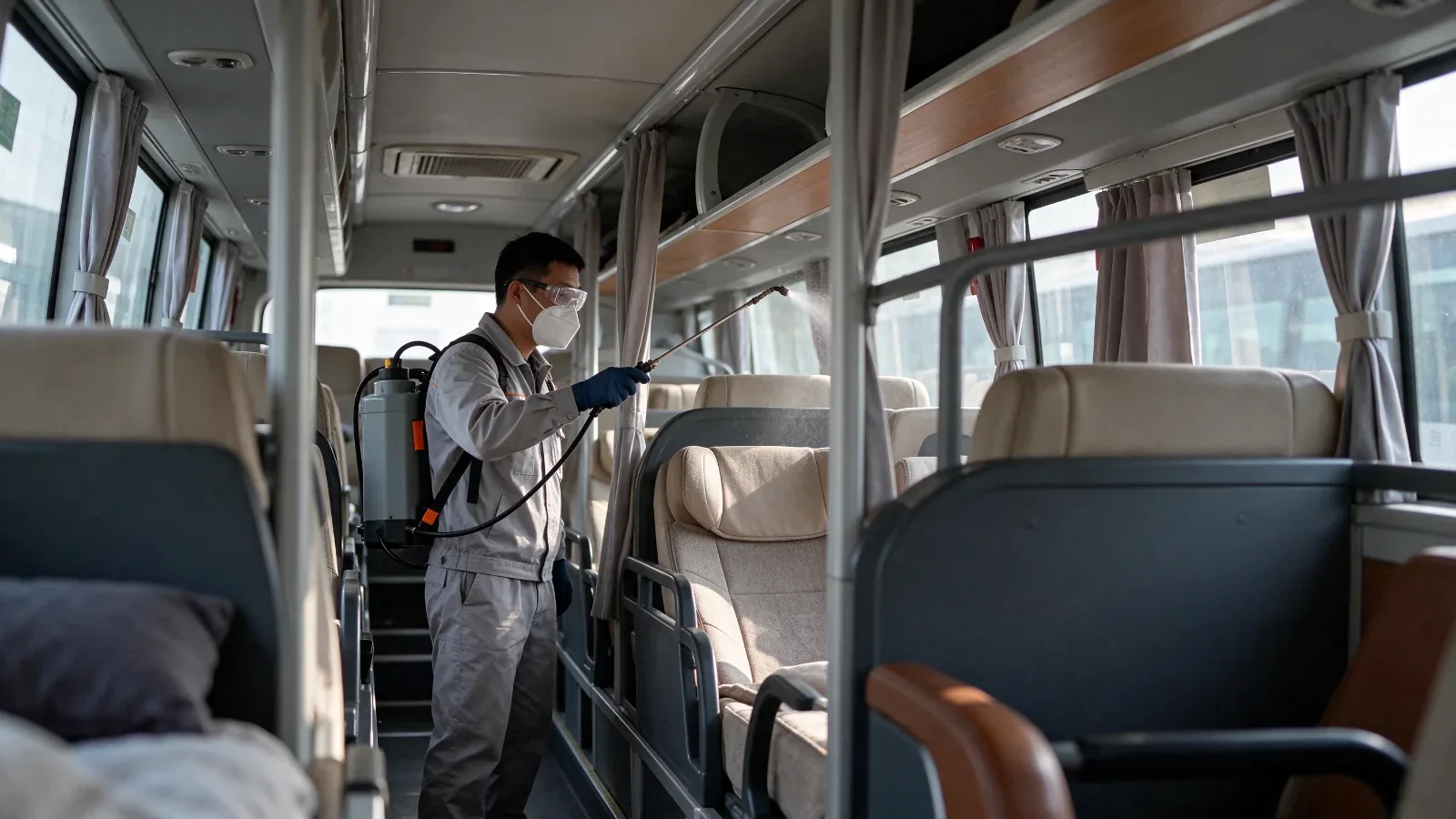
Bed Bug Treatment for Sleeper Buses is an important consideration for private bus operators, transport companies, fleet managers, and passenger travel businesses in Bangalore. Bed bugs can accidentally enter sleeper buses through passenger luggage, clothing, blankets, and other belongings before hiding in berth mattresses, upholstery seams, and protected interior joints.
Even clean and well-maintained sleeper buses can experience bed bug activity. Early identification, professional inspection, suitable treatment methods, and preventive maintenance can help operators manage infestations while protecting passenger comfort and maintaining service quality.
Why Sleeper Buses Can Develop Bed Bug Infestations
Sleeper buses carry passengers from different locations and provide upholstered sleeping areas during travel. These conditions can create opportunities for bed bugs to enter and remain concealed.
Frequent Passenger Movement
Passengers travel with suitcases, backpacks, clothing, and personal bedding. Bed bugs may accidentally travel inside these belongings and enter the bus without being noticed.
Upholstered Sleeping Berths
Mattress seams, fabric piping, and upholstery joints provide protected spaces where bed bugs may hide. These locations can be difficult to examine during routine cleaning.
Shared Blankets and Bedding
Blankets, pillows, and removable bedding may be used by different passengers. If these items contain bed bugs, improper handling or storage can contribute to their movement between berths.
Concealed Interior Gaps
Bed bugs may hide in accessible joints around berth frames, headrests, and interior panels. Their flat bodies allow them to occupy narrow protected spaces.
Delayed Identification
Passengers may mistake bed bug bites for mosquito bites or other skin irritation. Delayed investigation can allow insects to remain hidden and potentially spread to nearby sleeping areas.
Common Signs of Bed Bugs in Sleeper Buses
Bus operators and cleaning staff should recognise physical evidence of bed bugs. Skin reactions alone are not sufficient to confirm an infestation.
Live Bed Bugs
Adult bed bugs are small, flat, oval insects that are generally reddish-brown. They may hide along berth mattress seams, fabric folds, and protected frame joints.
Dark Spots on Berth Mattresses
Small dark marks around mattress seams and upholstery joints may indicate bed bug faecal deposits. Similar marks can have other causes, so suspicious evidence should be assessed carefully.
Shed Skins and Eggs
Bed bugs shed their outer skins as they develop. Pale shed skins and small eggs may be found near concealed hiding places.
Blood Marks on Bedding
Small reddish marks may occasionally appear on blankets, pillows, or berth covers. These marks are not conclusive evidence and should be considered alongside other inspection findings.
Passenger Complaints
Some passengers experience itchy skin reactions after bed bug bites, while others show little visible response. Complaints should be investigated respectfully without assuming that the passenger introduced the insects.
Common Hiding Places
- Sleeper berth mattress seams and fabric piping.
- Upper and lower berth frame joints.
- Upholstered headrests and backrests.
- Privacy curtain folds and attachments.
- Accessible luggage compartment joints.
- Existing gaps near berth panels.
- Removable blankets and bedding.
Professional Bed Bug Treatment Methods for Sleeper Buses
Professional treatment begins with confirming bed bug activity and identifying affected areas. The approach should consider bus interior materials, electrical components, ventilation, and passenger safety.
Detailed Bus Inspection
A trained technician examines berth mattresses, upholstery seams, frame joints, and other suspected hiding places. Inspection findings help determine the extent of activity and whether additional berths require assessment.
Controlled Steam Treatment
Professional steam treatment can kill bed bugs and eggs when sufficient heat reaches them. It may be suitable for certain upholstery seams and accessible berth surfaces.
Steam must be applied carefully because excessive heat or moisture can damage upholstery, adhesives, and electrical components. It does not provide residual protection after cooling.
Targeted Insecticide Application
Insecticides should be used only when the product label and applicable regulations permit their use in the specific vehicle environment. Not every insecticide is appropriate for passenger transport vehicles, bedding, or frequently contacted surfaces.
Professional application must consider ventilation, occupant exposure, and product-specific re-entry instructions.
Vacuuming and Physical Removal
Careful vacuuming can remove accessible insects and debris from suitable surfaces. Vacuum contents should be securely contained and disposed of to prevent insects from escaping.
Vacuuming alone may not eliminate bed bugs hidden inside protected upholstery joints.
Follow-Up Inspection
Bed bugs may remain concealed or emerge from eggs that were not effectively treated. Follow-up monitoring helps determine whether additional treatment is required.
Bus operators should maintain records of inspection findings and recommended actions.
Found bed bugs inside your sleeper bus? Contact Kiran Pest Control for professional inspection and a suitable treatment plan for sleeper berths and vehicle interiors.
Get a Free Quote Call NowHow Sleeper Bus Operators Should Prepare for Treatment
Proper preparation helps technicians access suspected hiding places and reduces unnecessary movement of affected materials. Fleet managers should coordinate treatment arrangements with the pest control provider.
Remove the Bus From Passenger Service
When bed bug activity is confirmed, the affected vehicle should be assessed before returning to passenger operations. Treatment and re-entry arrangements should follow professional guidance.
Provide Access to Sleeping Berths
Technicians should be able to inspect accessible mattress seams, upholstery joints, and berth frame connections. Avoid dismantling electrical or structural components without appropriate technical support.
Handle Blankets and Bedding Carefully
Potentially infested blankets, pillows, and removable fabrics should be contained before transportation. Suitable items may be laundered and heat-dried according to their care instructions.
Protect Electrical Components
Steam, liquids, and insecticides should not be applied indiscriminately around electrical equipment, switches, air-conditioning components, or sensitive fittings. Treatment methods must be suitable for the vehicle materials and systems.
Follow Safety Instructions
Passengers and staff should not enter treated areas until applicable safety and re-entry requirements have been satisfied. Requirements depend on the selected treatment method and products used.
How to Prevent Bed Bugs in Sleeper Buses
Prevention requires cooperation between bus operators, cleaning staff, maintenance teams, and professional pest control providers. Regular inspection and appropriate handling of bedding can help reduce the risk of concealed infestations.
Inspect Berth Mattresses
Cleaning staff should observe accessible mattress seams, fabric piping, and upholstery joints while preparing the bus for service. Suspicious insects or dark spotting should be reported promptly.
Maintain Bedding Hygiene
Removable blankets, pillow covers, and other washable fabrics should be cleaned according to appropriate care instructions. Cleaning supports hygiene but cannot guarantee bed bug prevention.
Inspect Replacement Upholstery
Replacement mattresses, cushions, and upholstered components should be examined before installation. Avoid accepting items with confirmed bed bug activity without appropriate treatment.
Train Cleaning Staff
Cleaning teams should recognise common bed bug signs and understand how to report suspicious evidence. Staff should avoid transferring potentially infested bedding between vehicles.
Maintain Inspection Records
Record vehicle identification details, reported activity, inspection findings, treatment actions, and follow-up recommendations. Documentation helps fleet managers identify recurring concerns.
Bed Bug Management for Private Bus Operators and Fleet Managers
Transport companies should establish a clear procedure for handling suspected bed bug activity. A consistent approach supports passenger communication and appropriate vehicle maintenance.
Respond to Passenger Complaints
Listen respectfully when passengers report suspicious insects or skin irritation. Record the berth location and available evidence without assuming the source of the problem.
Avoid Unsafe Household Remedies
Bus staff should not apply petrol, kerosene, alcohol, or unapproved insecticides to mattresses and upholstery. These substances can create fire hazards, damage materials, and expose passengers to harmful chemicals.
Coordinate Professional Assessment
A qualified pest control technician can identify suspected insects and recommend suitable treatment methods. Management should follow professional guidance before returning an affected vehicle to service.
Why Choose Kiran Pest Control?
Kiran Pest Control (Kiran Enterprises) is a licensed pest control company serving Bangalore since 2006. We provide pest management services for residential and commercial properties, focusing on professional inspection, appropriate treatment methods, and practical prevention guidance.
Private bus operators and fleet managers can contact our team to discuss suspected bed bug activity and the suitability of available treatment options for sleeper buses. Learn more about our bed bug control services in Bangalore or visit our contact page.
Need professional bed bug inspection for your sleeper bus fleet? Request assistance from Kiran Pest Control to assess suspected activity and discuss suitable treatment, monitoring, and prevention measures.
Get a Free Quote Call NowFrequently Asked Questions
Can bed bugs live inside sleeper bus mattresses?
Yes. Bed bugs may hide in mattress seams, fabric piping, upholstery joints, and other protected spaces inside sleeper buses. They can remain concealed even when the visible sleeping surface appears clean.
How do bed bugs enter sleeper buses?
Bed bugs may accidentally enter through passenger luggage, clothing, blankets, and other transported belongings. Their presence does not automatically indicate poor vehicle hygiene.
Can regular bus cleaning eliminate bed bugs?
Regular cleaning can remove some accessible insects and make suspicious signs easier to notice, but it may not reach bed bugs concealed inside upholstery joints and protected gaps. Confirmed infestations may require professional treatment and follow-up monitoring.
Is chemical treatment safe for sleeper buses?
Chemical treatment must be assessed carefully because not every insecticide is suitable or authorised for use inside passenger transport vehicles. Any application should follow product-label directions, applicable regulations, ventilation requirements, and passenger re-entry instructions.
How can sleeper bus operators request bed bug treatment in Bangalore?
Private bus operators and fleet managers can contact Kiran Pest Control at +91 98452 73699 or request a quotation through our website. Our team can discuss suspected activity, professional inspection, and whether suitable treatment options are available for the vehicle.
Conclusion
Professional Bed Bug Treatment for Sleeper Buses helps Bangalore transport operators investigate confirmed infestations while supporting passenger comfort and responsible fleet management. Early identification, careful inspection of berth mattresses, appropriate treatment methods, and follow-up monitoring are important parts of effective bed bug control.
For professional bed bug inspection assistance in Bangalore, contact Kiran Pest Control at +91 98452 73699 or request a free quote. Explore our pest control blog for more practical information about bed bug prevention, passenger accommodation hygiene, and professional pest management.
Need help with a pest problem?
Contact Kiran Pest Control to discuss the issue and arrange an inspection.
Contact our teamNeed Pest Control in Bangalore?
Get a same-day inspection from our certified technicians.
Contact Our Team Chat on WhatsAppOr call +91 98452 73699