If you manage a hotel, few things are as stressful as a guest finding bed bugs. The moment that happens, you don’t just worry about the room; you worry about reviews, refunds, and your reputation. That’s why understanding how Hotel Bed Bug Pest Control in Bangalore really works is more than a technical detail—it’s business protection.
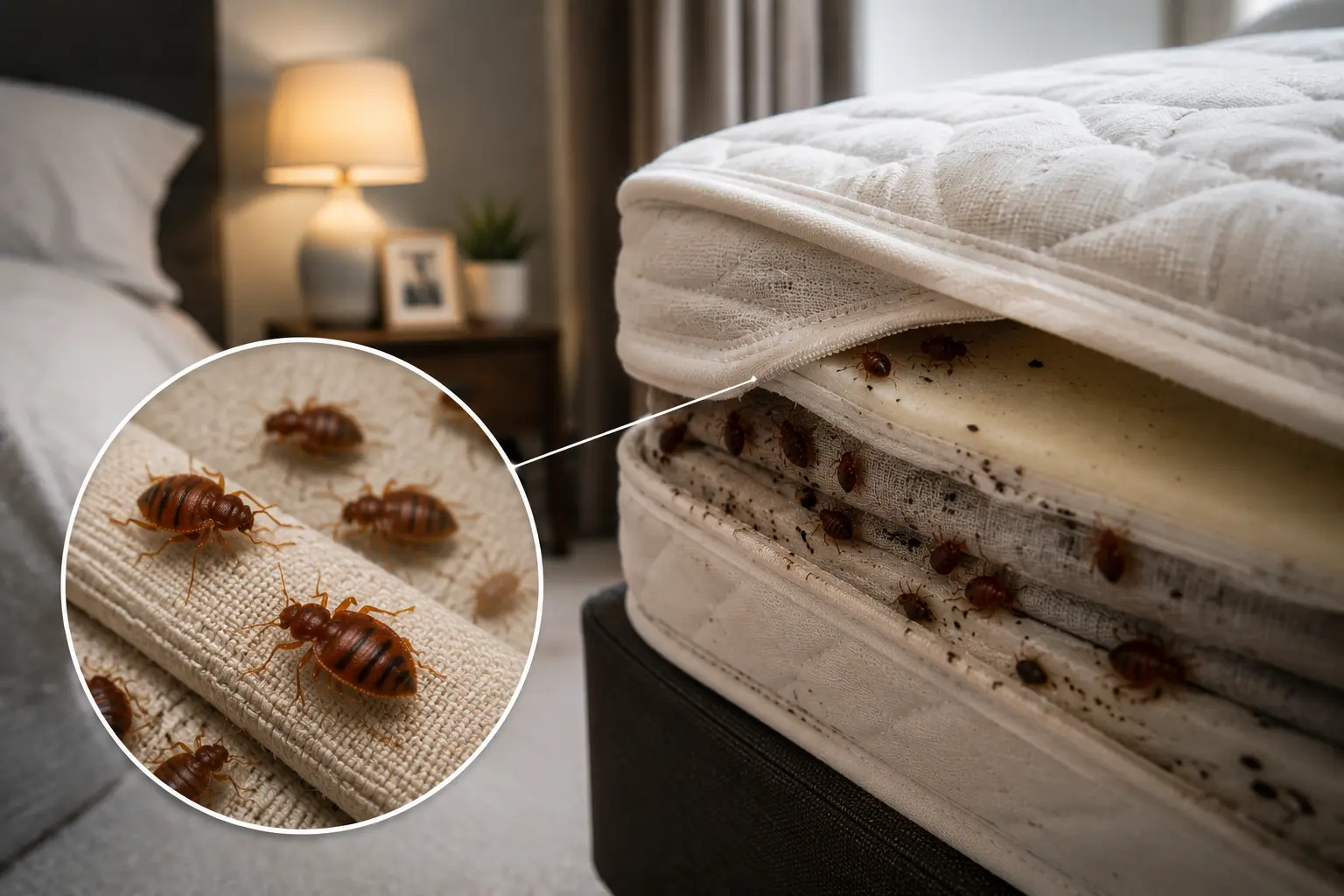
One of the biggest fears is that these insects will hide inside mattresses and never go away. They’re sneaky, tough, and stubborn, but they’re not invincible. Once you understand how long they survive, where they hide, and how professionals treat them, you can put a clear, confident plan in place.
It often feels like bed bugs live forever once they settle into a mattress, especially when you keep seeing bites night after night. The truth is they don’t live forever, but they can survive long enough to cause serious trouble if they aren’t handled with the right treatment strategy.
On average, an adult bed bug lives about 4–6 months, and in some conditions, slightly longer. They can also go weeks or even a few months without feeding, hiding deep in seams, labels, and tiny gaps around the mattress. That long survival time is exactly why hotels turn to professional Bed Bug Control Services instead of relying on DIY sprays or home remedies.
Bangalore’s hotel scene is busy, with constant movement of business travelers, tourists, and long-stay guests. High guest turnover means more luggage, more fabric items, and more chances for a single bug or egg to hitchhike into a room without anyone noticing.
Warmer temperatures for much of the year also support faster bed bug reproduction. A single fertilized female can lay dozens of eggs over her lifetime, and in an active room, new guests keep providing fresh blood meals, allowing the infestation to spread from just the mattress to bed frames, skirting boards, and even electrical outlets.
In multi-floor hotels, bed bugs usually don’t stay in just one mattress for long. They crawl along wiring gaps, plumbing lines, cracks in walls, and under doors. Over time, a problem that started in one room can reach the rooms above, below, and on either side.
Soft furnishings also play a big role. Headboards, sofas, curtains, carpets, and even luggage racks become secondary hiding spots, making it impossible to solve the issue by changing only the mattress and doing nothing else.
Specialist hotel treatments are designed around the way bed bugs live and hide. Instead of just spraying the top of the bed, a trained technician inspects every layer and joint where bugs or eggs might be hiding, then builds a room-wide treatment plan from there.
Most reputable providers follow a clear process from inspection to monitoring. That process not only protects the mattress; it also protects your staff and guests by focusing on safe, approved products and methods that meet hotel standards.
A typical professional visit starts with a detailed inspection using flashlights, crevice tools, and sometimes monitors. The technician checks mattress seams, box springs, bed frames, bedside tables, skirting, curtains, and cracks in furniture for live bugs, eggs, and dark spotting.
Once they confirm activity, they usually combine targeted chemical treatments with non-chemical methods like vacuuming and steaming. This combination is what helps break the life cycle instead of only killing the insects that are easy to see.
Even when a mattress responds well to treatment, hotels often worry about future issues. To reduce risk, many professionals recommend certified mattress encasements that zip around the entire mattress and box spring to trap any remaining bugs and stop new ones from nesting inside.
These encasements, combined with regular inspections and staff training, turn the mattress from a vulnerable target into a controlled surface that’s much easier to keep bed-bug-free in the long run.
Many hoteliers assume any mattress that has had bed bugs must be thrown away. In reality, if an infestation is caught reasonably early and treated by experts, that mattress can often be saved, inspected, and safely put back into use.
The decision depends on the severity of the infestation and the condition of the mattress. If it’s heavily damaged, old, or soaked with stains and debris, disposal may still be the wiser choice, even once Bed Bug Control Services have done their work in the room.
Replacing the mattress is usually recommended when bugs and eggs are present deep inside tears, seams, and internal padding that can’t be treated or sealed effectively. If there’s structural damage, a new mattress also gives housekeeping peace of mind and sends a quality signal to guests.
However, even with a new mattress, you still need full-room treatment and monitoring. Without that, any surviving bugs in headboards, side tables, or skirting boards will simply move back onto the fresh mattress over time.
Strong prevention habits are what stop a single hitchhiking bug from becoming a multi-room headache. Training housekeeping and maintenance staff to spot early warning signs often makes the difference between a small, contained case and a large outbreak.
Clear routines, simple tools, and quick reporting channels help your team act early. A few small changes in daily work can dramatically reduce the chance of bugs surviving in or around the mattress after guests check out.
Housekeeping staff can be trained to quickly scan mattress seams, bed frames, and headboards every time they change linen. Even a 30-second check can catch early spotting or a single live insect before it spreads.
Keeping rooms clutter-free, vacuuming around beds and skirting regularly, and avoiding storage of unused bedding under beds or sofas will also make it harder for bugs to find long-term hiding places.
Use light-colored bed linen so spotting is easier to see.
Encourage staff to report any suspicious bites or marks immediately.
Schedule routine inspections for rooms with higher turnover.
Keep luggage racks away from beds to reduce mattress contact.
On a broader level, hotels that plan their response in advance tend to recover faster from any incident. That plan should include a trusted partner for Hotel Bed Bug Pest Control in Bangalore so you’re not searching at the last minute.
Bed bugs can’t live in mattresses forever, but they can survive long enough to damage your guest experience, your brand image, and your bottom line if the problem is ignored or treated halfway. With the right inspection routines, quick reporting, and a reliable partner for Hotel Bed Bug Pest Control in Bangalore, you can keep infestations from taking over.
If you’re seeing early signs of activity—or just want a proactive audit of your rooms—reach out to a local specialist like Kiran Enterprises to assess your current setup, recommend improvements, and build a treatment and monitoring plan tailored to your property.
Get a same-day inspection from our certified technicians.
Chat on WhatsAppOr call +91 98452 73699