
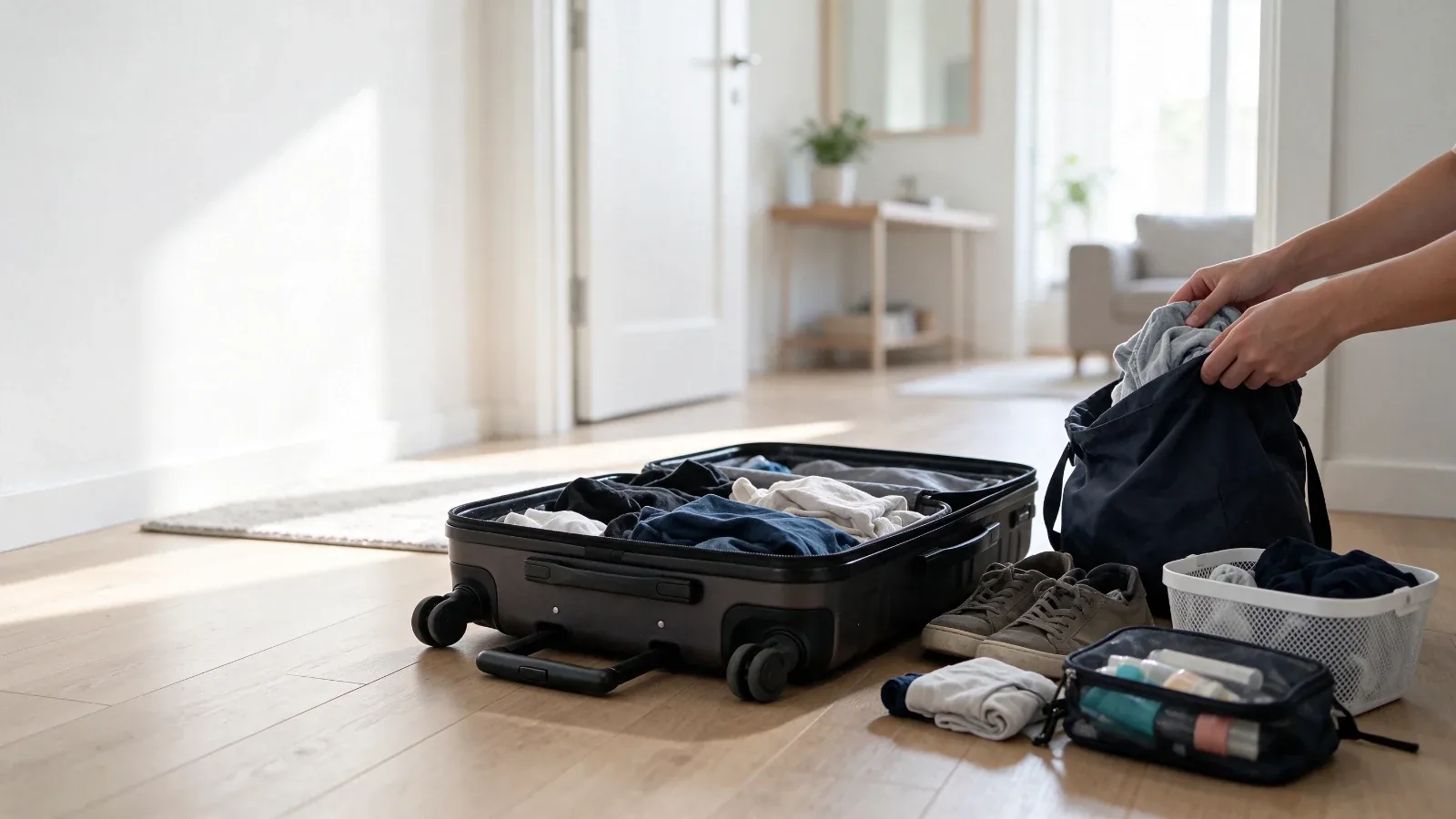
Knowing How to Prevent Bed Bugs After Travelling is important for Bangalore residents returning from holidays, business trips, hotel stays, train journeys, and overnight bus travel. Bed bugs can accidentally travel inside suitcases, backpacks, clothing, and other personal belongings before entering bedrooms and living spaces.
Even clean hotels and well-maintained transport vehicles can experience bed bug activity. Taking sensible precautions when returning home can reduce the risk of introducing these insects into mattresses, bed frames, wardrobes, and upholstered furniture.
Why Bed Bugs Can Travel Home With You
Bed bugs are small insects that feed on blood and usually hide close to places where people rest. They do not fly or jump, but they can crawl into belongings and travel between locations.
Hotel Rooms and Guesthouses
Bed bugs may hide in mattress seams, headboards, bed frames, and upholstered furniture. Luggage placed near affected areas may accidentally provide insects with another hiding place.
Train Sleeping Compartments
Railway berths contain mattresses, cushions, and protected joints where bed bugs may occasionally hide. Bags and clothing placed near affected surfaces can become exposed.
Sleeper Buses and Luxury Coaches
Upholstered seats, sleeper mattresses, and fabric folds can shelter bed bugs if they are introduced into a vehicle. Passengers may unknowingly transport insects inside their belongings.
Shared Accommodation
Hostels, dormitories, and other shared sleeping facilities may experience bed bug activity when insects are introduced through luggage or furnishings. Their presence does not automatically indicate poor hygiene.
Suitcases and Backpacks
Bed bugs can hide in zipper seams, fabric folds, pockets, and internal compartments. They may remain concealed until luggage is opened at home.
What to Do Immediately After Returning Home
Post-travel precautions are most useful before luggage and clothing are spread around the house. You do not need to assume that every journey results in bed bug exposure.
Keep Luggage Away From the Bed
Avoid placing travel bags directly on mattresses, sofas, or upholstered chairs while unpacking. Choose a well-lit area with a hard surface that is easy to inspect and clean.
Inspect Suitcase Seams
Use a flashlight to examine zipper edges, handles, fabric piping, pockets, and accessible lining folds. Look for live insects, dark spotting, or shed skins.
Separate Travel Clothing
Keep worn and potentially exposed clothing apart from clean garments until it can be inspected or laundered. Avoid leaving travel clothes scattered across bedrooms.
Check Personal Accessories
Inspect backpacks, fabric travel organisers, soft luggage covers, and other items that may have been placed near sleeping areas. Pay attention to seams and protected folds.
Document Suspicious Findings
If you discover a suspicious insect, take a clear photograph or safely contain a specimen for identification. Avoid crushing insects against fabric, which may make identification more difficult.
How to Clean Travel Clothes and Luggage Safely
Appropriate cleaning and handling can help remove bed bugs from exposed belongings. The method should suit the material and follow manufacturer care instructions.
Wash Suitable Clothing
Launder washable garments according to their care labels. Washing supports general hygiene, but the effectiveness of bed bug removal depends on the process used.
Use Appropriate Heat Drying
Where fabric care instructions allow, suitable heat drying can help kill bed bugs and their eggs. Delicate materials should not be exposed to temperatures that may cause damage.
Inspect and Vacuum Suitcases
Carefully vacuum accessible suitcase seams, pockets, and lining folds using an appropriate attachment. Vacuuming can remove visible insects but may not reach every concealed hiding place.
Dispose of Vacuum Contents Carefully
After vacuuming suspected affected belongings, securely contain the collected material and dispose of it outside the living area. Follow the vacuum manufacturer's instructions to avoid releasing captured insects.
Handle Delicate Items Separately
Leather bags, electronics, and delicate accessories may not tolerate washing or heat. Inspect these items carefully and seek professional guidance if bed bugs are suspected.
Avoid Unsafe Chemical Remedies
Do not spray luggage with petrol, kerosene, alcohol, or unapproved insecticides. These substances can damage belongings, create fire hazards, or expose household members to harmful chemicals.
Worried about bed bugs after returning from a trip? Contact Kiran Pest Control for professional inspection guidance and suitable bed bug treatment options for your Bangalore home.
Get a Free Quote Call NowHow to Check Your Bedroom for Bed Bugs After Travelling
If you notice suspicious evidence after returning home, inspect likely hiding places carefully. A visual check can help identify warning signs, although concealed insects may be difficult to detect.
Inspect Mattress Seams
Use a flashlight to examine accessible mattress piping, stitching, labels, and folds. Look for live bed bugs, dark faecal spots, shed skins, and eggs.
Check Bed Frames and Headboards
Bed bugs may hide in accessible joints, screw recesses, and protected connections around the bed. Avoid unnecessarily dismantling electrical fittings or damaging furniture.
Examine Nearby Furniture
Inspect bedside tables, upholstered chairs, and other furniture near the sleeping area when evidence suggests possible activity. Bed bugs are not restricted to mattresses.
Recognise Common Warning Signs
- Live, flat, reddish-brown insects around sleeping areas.
- Small dark marks clustered near mattress seams.
- Pale shed skins in protected furniture joints.
- Small eggs attached to concealed surfaces.
- Suspicious insects discovered inside luggage.
Do Not Rely Only on Bite Marks
Some people develop itchy skin reactions after bed bug bites, while others show little visible response. Similar symptoms can have other causes, so physical evidence is important.
Preventing Bed Bugs During Future Travel
Taking precautions during your journey can reduce the likelihood of carrying bed bugs home. No inspection routine can guarantee complete protection, but careful luggage handling is useful.
Inspect Hotel Sleeping Areas
Before unpacking, examine accessible mattress seams, headboard joints, and nearby upholstery for suspicious evidence. Report any concerns to the accommodation provider.
Keep Bags Closed When Possible
Store unused clothing inside closed luggage rather than spreading garments across beds or upholstered furniture. Avoid placing bags directly against suspicious surfaces.
Use Luggage Racks Carefully
Where available, use a suitable luggage rack positioned away from the bed and upholstered furniture. Inspect the rack and surrounding area if there are signs of infestation.
Be Careful in Sleeper Buses and Trains
Observe accessible berth seams and nearby upholstery before settling in. Keep belongings organised and report suspicious insects to the responsible staff.
Check Luggage Before Repacking
When leaving accommodation, inspect accessible suitcase seams and personal belongings. Avoid transferring suspected affected items directly into clean bags.
Maintain a Post-Travel Routine
Make luggage inspection and appropriate clothing care part of your return-home routine. These habits are particularly helpful after a stay where bed bug activity was suspected.
When to Contact Professional Bed Bug Control Services
Professional assistance may be appropriate when live bed bugs are found, suspicious evidence continues to appear, or insects are discovered around sleeping areas after travel.
Accurate Bed Bug Identification
A trained technician can examine suspicious insects and signs to determine whether bed bugs are present. This helps avoid unnecessary treatment for unrelated pests.
Detailed Home Inspection
Professional inspection may include mattress seams, bed frames, headboards, and nearby furniture. The findings help establish the extent of any confirmed activity.
Suitable Treatment Methods
Depending on the situation, professional treatment may involve carefully selected physical or chemical control methods. Products must be suitable for the intended application and used according to their labels.
Follow-Up Monitoring
Bed bugs may remain concealed or emerge from eggs that were not effectively treated. Follow-up assessment helps determine whether further action is necessary.
Why Choose Kiran Pest Control?
Kiran Pest Control (Kiran Enterprises) is a licensed pest control company serving Bangalore since 2006. We provide pest management services for residential and commercial properties, focusing on professional inspection, appropriate treatment methods, and practical prevention guidance.
If you suspect bed bugs after a journey, our team can discuss inspection requirements and suitable control options for your property. Learn more about our bed bug control services in Bangalore or visit our contact page.
Found suspicious insects in your luggage or bedroom? Request professional assistance from Kiran Pest Control to assess possible bed bug activity and discuss appropriate treatment measures.
Get a Free Quote Call NowFrequently Asked Questions
Can bed bugs travel home inside a suitcase?
Yes. Bed bugs can hide in suitcase seams, zipper edges, pockets, and fabric folds. Inspecting luggage before unpacking can help identify suspicious activity.
Should I wash my clothes after staying in a hotel?
Laundering travel clothing is a sensible hygiene practice. If bed bug exposure is suspected, suitable heat drying according to fabric care instructions can help eliminate insects and eggs.
Can bed bugs survive inside backpacks?
Yes. Bed bugs may remain concealed in backpack seams, pockets, and fabric compartments. Careful inspection and appropriate cleaning are useful when exposure is suspected.
Do bed bug bites always appear immediately after travelling?
No. Skin reactions vary, and some people may notice symptoms later or show little visible response. Bite marks alone cannot confirm bed bug exposure, so physical evidence should be investigated.
How can I arrange bed bug treatment in Bangalore?
You can contact Kiran Pest Control at +91 98452 73699 or request a quotation through our website. Our team can discuss suspected activity, professional inspection, and suitable treatment options for your home.
Conclusion
Understanding How to Prevent Bed Bugs After Travelling helps Bangalore residents reduce the risk of accidentally introducing insects into their homes. Careful luggage inspection, appropriate clothing care, sensible unpacking habits, and early recognition of warning signs are important preventive measures.
If you suspect bed bugs after returning from a journey, contact Kiran Pest Control at +91 98452 73699 or request a free quote. Explore our pest control blog for further guidance on travel hygiene, bed bug prevention, and professional pest management.
Need help with a pest problem?
Contact Kiran Pest Control to discuss the issue and arrange an inspection.
Contact our teamNeed Pest Control in Bangalore?
Get a same-day inspection from our certified technicians.
Contact Our Team Chat on WhatsAppOr call +91 98452 73699