Waking up with unexplained bites or spotting tiny blood stains on your sheets is a quick way to realize something isn’t right. If you run shared accommodation, you already know how fast a small problem can become a full-blown crisis, especially with Hostel & PG Bed Bug Control in Bangalore being such a hot topic among owners and tenants alike.
Bed bugs don’t show up by magic. They hitchhike, hide, spread, and thrive when conditions are just right. Understanding what actually causes bed bug infestations in homes and shared spaces is the first step to stopping them before they damage your reputation, your rooms, and your peace of mind.
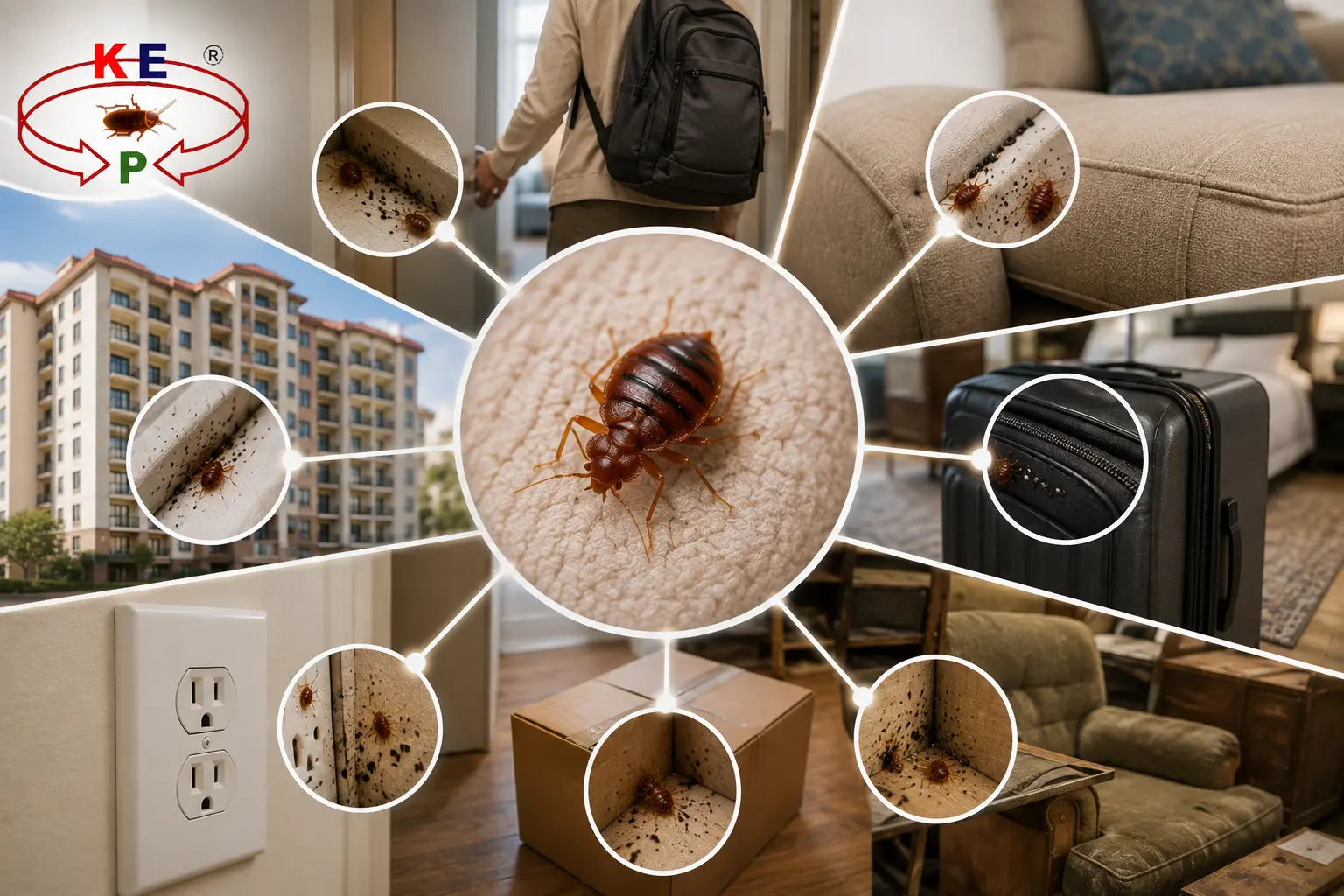
Most infestations start with a single introduction. One guest, one suitcase, or one used piece of furniture is often enough to bring bed bugs into an otherwise clean property.
They’re expert hitchhikers and usually arrive through one of these routes:
Luggage and backpacks after travel by bus, train, or air
Used mattresses, cots, or sofas bought second-hand
Visitors or tenants coming from already infested rooms
Shared laundry facilities where infested fabrics mix with clean ones
In busy cities, people often move between hostels, PGs, and rented flats. Each move is an opportunity for bed bugs to transfer. One infested mattress on a goods vehicle, or one bag stored under an infected bunk, can quietly seed a new problem.
Even well-maintained properties are vulnerable. Because bed bugs don’t care about dirt or food, regular mopping and surface cleaning alone won’t keep them out. Breaking the cycle starts with understanding these entry points and closing as many of them as you realistically can.
Homes can absolutely have serious problems, but shared living spaces face extra pressure. Close sleeping arrangements, rotating occupants, and limited storage all work in the pests’ favor.
In a typical PG, several residents may share one room, with bags under beds, clothes on chairs, and bedding washed on different schedules. This dense setup gives bed bugs hundreds of hiding spots and a regular food supply. All it takes is a single neglected cot or a long-term tenant who dismisses early bites as "just mosquitoes" for the infestation to build.
Hallways lined with cupboards, fabric curtains, wall hangings, and upholstered furniture give them even more places to move without being noticed. Once they reach common areas like lounges or dorm-style rooms, they can spread between units in the same building with surprising speed.
By the time residents start comparing bite marks or complaining about sleepless nights, the insects may already be in multiple beds, cracks, and electric switch plates, making control more complicated.
Bed bugs don’t need much to feel at home: human hosts, warmth, and dark resting spots. That said, certain everyday habits make it far easier for them to settle in and expand.
Clutter is one of the biggest helpers. Piles of clothes on the floor, stacks of books near the bed, and bags left open under cots all create layers of fabric and paper they can hide in. The more places they can tuck themselves away during the day, the harder it is for even a careful person to spot early signs.
Another issue is irregular cleaning around sleeping areas. Sweeping open floors isn’t enough if the lower edges of beds, corners of plywood, and gaps in headboards are never checked. Wooden cots with joints and screws, or metal frames with hollow tubing, are classic hiding zones.
Tenants who move in and out frequently may bring in new luggage and bedding every month. Without a consistent check-in routine, each arrival can add more risk on top of an already stressed environment.
Catching problems early is what separates a quick treatment from a long, disruptive one. Learning to read the subtle warning signs saves both money and reputation.
The most common red flags include:
Small, itchy bites in rows or clusters, especially on arms and legs
Tiny dark spots (droppings) on mattress seams or bed frames
Light brown shed skins near the corners of cots or behind headboards
Faint blood marks on bedsheets after residents sleep
Some managers rely only on complaints, but that’s risky. Not everyone reacts strongly to bites, and some people may hesitate to bring it up. A simple, regular routine of Bed Bug Inspection in sleeping areas and common furniture can reveal activity well before it becomes visible to every guest.
Train staff to check the sides and undersides of mattresses, the gaps in wooden slats, and the edges of curtains near beds. A flashlight and a few extra minutes during housekeeping can make all the difference.
Prevention isn’t about perfection; it’s about putting the right habits in place and sticking to them. For busy properties, even small, consistent steps can dramatically cut risk over the long term.
One of the best starting points is to create a simple, written protocol for new arrivals. Ask tenants to keep bags off beds, store luggage on designated racks, and avoid bringing in old, unclean mattresses from outside. Clear rules reduce awkward conversations later when problems show up.
Some practical measures that work well in hostels and PGs include:
Using mattress encasements designed to block insects from hiding in seams
Keeping beds a few inches away from walls so pests can’t easily climb across
Sealing obvious cracks in walls, skirting, and bed frames where they might hide
Washing bedding at higher temperatures whenever possible
If you manage multiple properties, set a fixed schedule for room checks instead of waiting for complaints. Consistency is what turns "we got lucky this time" into "we rarely have serious issues."
Once an infestation is well established, home remedies and off-the-shelf sprays rarely solve the entire problem. These insects are excellent at avoiding treated surfaces, and many products don’t reach deep into cracks and crevices.
Spraying randomly can also push them into neighboring rooms or flats as they run from the chemicals. In shared buildings, this often means the issue disappears from one room for a while but quietly increases in others, leading to repeat complaints and higher long-term costs.
Professionals use targeted methods that combine safe, approved chemicals with inspection tools and, where needed, heat-based approaches. The goal is not just to kill visible insects but to break their life cycle so fresh eggs don’t hatch and restart the infestation.
After a major treatment, many owners breathe a sigh of relief and go back to old routines. That’s usually when reintroductions slip through. Long-term success depends on monitoring, not just one-time fixes.
Structured follow-up visits, clear reporting, and simple logs for staff help track what’s happening in each room over time. When patterns appear, you can act quickly instead of waiting until the problem reaches guests.
Properties that combine periodic expert visits with trained in-house staff tend to stay ahead of infestations. It’s easier to tackle a single infested cot than to clear an entire floor because early checks caught the problem while it was still contained.
Tenants and guests are often the first to notice signs, but many hesitate to speak up out of embarrassment or fear they’ll be blamed. A calm, straightforward communication style makes it easier for people to report concerns early.
Short, friendly notices near reception or in common areas explaining what to watch for, and how management will respond, can make a real difference. If people know they won’t be punished for reporting an issue, they tend to come forward much sooner, which helps everyone.
Bed bugs are stubborn, but they’re not unbeatable. Owners who understand how infestations start, respond quickly to small signs, and set up simple routines for checks and cleaning tend to keep control, especially with focused Hostel & PG Bed Bug Control in Bangalore supporting their efforts.
If you suspect activity in even one room, don’t wait for it to spread or for more complaints to pile up. Look for expert help, put a clear inspection and treatment plan in place, and turn the experience into a long-term system that protects your guests, your property, and your reputation with help from Kiran Enterprises.
Get a same-day inspection from our certified technicians.
Chat on WhatsAppOr call +91 98452 73699