
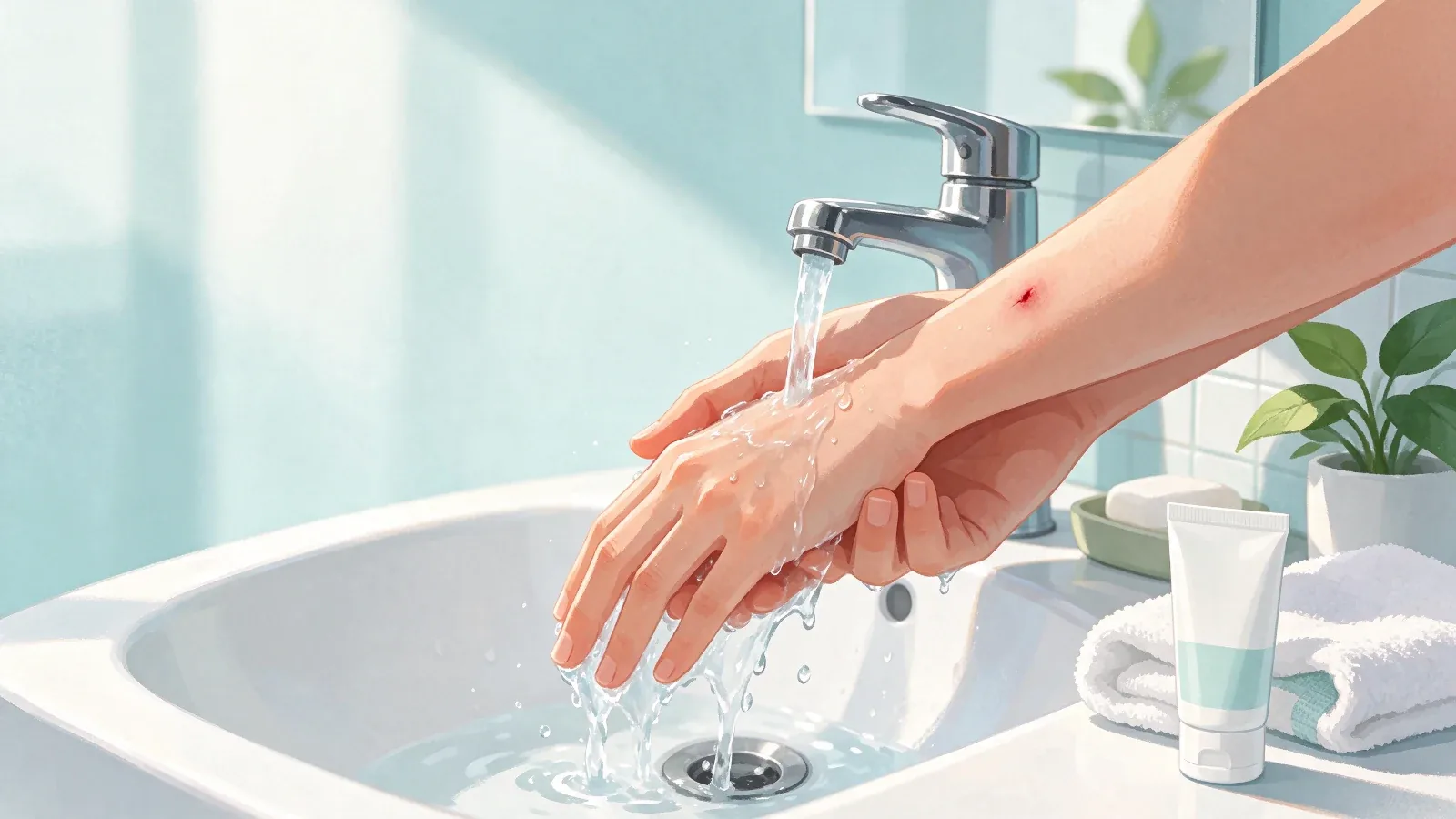
What Should You Do After a Bed Bug Bite? Start by gently cleaning the affected skin, avoiding scratching, and using a cool compress to ease mild itching or irritation. If the reaction becomes severe, painful, or unusual, seek medical advice. Because skin marks alone cannot confirm bed bug exposure, it is also important to inspect your sleeping area for physical evidence of the insects.
For Bangalore homeowners, apartment residents, hostel occupants, and hotel guests, suspected bed bug bites can cause discomfort and concern. Although many skin reactions are mild, some individuals experience stronger swelling or persistent itching. This guide from Kiran Pest Control explains safe skin care, symptoms that require medical attention, how to investigate suspected bed bugs, and practical ways to prevent further exposure.
Immediate Steps to Take After a Suspected Bed Bug Bite
If you notice itchy bumps or irritated skin after sleeping, begin with gentle care. Avoid applying harsh substances or assuming that every unexplained mark is caused by bed bugs.
Clean the Affected Skin
Gently wash the irritated area with mild soap and clean water. This removes surface dirt and helps keep the skin clean.
Avoid vigorous scrubbing, which may worsen redness and inflammation.
Apply a Cool Compress
Place a clean, cool compress against the affected area to help relieve mild itching and discomfort. Avoid placing ice directly on the skin.
Remove the compress if it causes discomfort or additional irritation.
Avoid Scratching
Scratching may temporarily feel relieving, but it can damage the skin and increase inflammation. Broken skin may also become vulnerable to secondary bacterial infection.
Keep fingernails clean and avoid rubbing the irritated area unnecessarily.
Monitor the Skin Reaction
Observe whether itching, swelling, or redness improves or becomes worse. Skin reactions vary, and some people may develop delayed symptoms.
If symptoms become extensive, painful, or persistent, consult a healthcare professional.
Do Not Apply Household Chemicals
Never apply pesticides, kerosene, petrol, or improvised chemical mixtures to suspected bite marks. These substances can cause serious skin injury and other health risks.
Use only products intended for human skin and follow appropriate medical or pharmacist guidance.
How to Relieve Bed Bug Bite Itching and Swelling
Itching and swelling may occur when the immune system reacts to substances introduced through bed bug saliva during feeding. The intensity of the reaction varies between individuals.
Use Gentle Skin Care
Keep the affected skin clean and avoid fragranced or irritating products if they worsen symptoms. Gentle care may help prevent additional discomfort.
Do not repeatedly scrub or exfoliate irritated areas.
Ask About Anti-Itch Treatments
A healthcare professional or pharmacist may recommend an appropriate anti-itch preparation or antihistamine depending on the symptoms and individual circumstances.
Avoid using prescription medicines or strong topical preparations without suitable guidance.
Protect Sensitive Skin
Loose, comfortable clothing may reduce friction against irritated skin. Avoid tight fabrics that repeatedly rub against swollen or itchy areas.
Keep the skin dry and comfortable without using harsh drying agents.
Be Patient With Skin Recovery
Skin reactions may improve gradually, and the recovery period varies. Some people experience minimal symptoms, while others have more persistent irritation.
Seek medical advice if symptoms do not improve as expected or begin to worsen.
Avoid Unverified Home Remedies
Do not apply concentrated essential oils, strong disinfectants, or unfamiliar substances to bite marks. Products that are not intended for skin use may cause irritation or allergic reactions.
Choose evidence-based skin care and obtain medical advice when needed.
When Should You Seek Medical Attention?
Most suspected bed bug bite reactions are limited to the skin, but some symptoms require professional assessment. Medical care is especially important when the cause of the reaction is uncertain.
Severe Swelling or Allergic Reactions
Some individuals develop pronounced swelling or more extensive skin reactions. A healthcare professional can assess the symptoms and recommend appropriate treatment.
Breathing difficulty, swelling of the face or throat, or faintness requires immediate emergency medical attention.
Signs of Secondary Skin Infection
Repeated scratching can break the skin and allow bacteria to enter. Increasing pain, warmth, redness, swelling, or discharge may indicate infection.
Seek medical assessment if these symptoms develop.
Persistent Itching or Blistering
Itching that interferes with sleep or daily activities may require medical advice. Blisters or unusually extensive inflammation should also be evaluated.
Similar reactions can result from other insects and skin conditions, so avoid self-diagnosing based on appearance alone.
Unexplained Fever or Other Symptoms
Bed bugs are not established as effective transmitters of human infectious diseases under ordinary household conditions. However, fever or other systemic symptoms should not automatically be attributed to bed bug bites.
Consult a healthcare professional to investigate possible causes.
When Children or Vulnerable Individuals Are Affected
Children and individuals with sensitive skin may need additional guidance when reactions are uncomfortable or difficult to manage. Avoid applying adult medications or strong topical products without appropriate advice.
A qualified healthcare professional can recommend suitable care based on individual circumstances.
Concerned about suspected bed bug bites in your home? Contact Kiran Pest Control for a professional inspection and guidance on suitable bed bug treatment options.
Get a Free Quote Call NowHow to Confirm Whether Bed Bugs Caused the Bites
Skin marks alone cannot reliably confirm bed bug exposure. Mosquito bites, flea bites, contact dermatitis, and other conditions may produce similar symptoms.
Inspect Mattress Seams
Use a flashlight to examine mattress stitching, piping, and accessible fabric folds. Look for live insects, shed skins, pale eggs, and dark faecal spotting.
Inspect carefully without unnecessarily spreading bedding or other belongings.
Check Bed Frames and Headboards
Bed bugs may shelter in wooden joints, screw holes, narrow cracks, and spaces behind headboards. These protected locations can be difficult to inspect during ordinary cleaning.
Pay attention to accessible furniture connections near sleeping areas.
Examine Sofas and Upholstered Furniture
Bed bugs are not restricted to mattresses. They may also hide in sofa seams, upholstered chairs, and other furniture where people regularly rest.
Inspect these areas when signs are found outside the bedroom.
Recognise Common Infestation Signs
- Live bed bugs: Small, oval, reddish-brown insects near sleeping furniture.
- Dark spotting: Tiny faecal marks along mattress seams and nearby surfaces.
- Shed skins: Pale, empty insect coverings left behind during development.
- Bed bug eggs: Small, pale eggs attached to protected surfaces.
- Blood stains: Small marks on bedding that may sometimes accompany an infestation.
Preserve a Suspected Insect for Identification
If you find an insect that resembles a bed bug, carefully preserve it in a sealed container. A qualified pest management professional can help identify it.
Correct identification can prevent unnecessary treatment when another insect is responsible.
How to Prevent Further Bed Bug Bites
Preventing repeated exposure requires addressing confirmed bed bug activity rather than relying only on skin treatments. Appropriate handling of bedding, luggage, and furniture can support pest management.
Handle Bedding Carefully
Avoid moving potentially infested bedding into unaffected rooms. Place exposed fabrics in sealed bags before transporting them for suitable laundering or treatment.
Follow fabric care instructions and appropriate bed bug management guidance.
Inspect Luggage After Travelling
Bed bugs may be transported through suitcases, backpacks, and personal belongings. Inspect luggage seams and pockets when exposure is suspected after staying in hotels or other accommodation.
Keep potentially exposed bags away from beds and upholstered furniture until checked.
Examine Second-Hand Furniture
Used mattresses, sofas, and bed frames may contain concealed bed bugs or eggs. Inspect seams, joints, and protected cracks before bringing these items indoors.
Avoid collecting discarded furniture when its condition and history are unknown.
Keep Bedrooms Easy to Inspect
Reducing unnecessary clutter makes it easier to examine furniture and identify potential hiding places. However, cleanliness alone cannot guarantee protection because bed bugs can enter well-maintained homes.
Regular awareness of physical warning signs is more useful than relying on household hygiene alone.
Avoid Spreading Bed Bugs Between Rooms
Do not transfer potentially infested furniture or bedding into unaffected rooms without appropriate precautions. Moving belongings without inspection may introduce insects into additional areas.
Seek professional guidance before making major changes to sleeping arrangements.
Report Suspected Activity in Shared Buildings
Residents of apartments, hostels, hotels, and paying guest accommodation should inform the responsible property manager when bed bug activity is suspected. Prompt communication may support coordinated inspections where nearby rooms could be affected.
For additional prevention guidance, explore the Kiran Pest Control blog.
Common Mistakes to Avoid After a Bed Bug Bite
Some responses to suspected bed bug bites can worsen skin irritation or make an infestation harder to manage. Avoiding common mistakes helps protect both personal wellbeing and the home environment.
Assuming Every Itchy Mark Is a Bed Bug Bite
Many insects and skin conditions cause similar reactions. Without physical evidence, it is difficult to determine the cause of a particular mark.
Seek medical advice for unexplained skin symptoms and professional identification when insects are suspected.
Scratching Until the Skin Breaks
Repeated scratching can increase irritation and create openings for bacterial infection. Use gentle skin care and seek suitable medical guidance if itching is difficult to control.
Monitor the affected area for worsening pain, swelling, or discharge.
Using Excessive Pesticides
Applying large amounts of pesticide or combining products does not guarantee effective bed bug control. Improper use may create unnecessary exposure risks.
Follow product labels and rely on qualified pest management professionals when appropriate.
Discarding Furniture Without Inspection
Throwing away a mattress or sofa may not eliminate an infestation if bed bugs remain hidden elsewhere. Moving infested furniture without precautions can also spread insects.
Arrange appropriate identification and discuss suitable treatment options before discarding belongings.
Professional Bed Bug Control in Bangalore
Professional pest management can help identify bed bug activity and address the source of repeated exposure. A suitable treatment plan considers likely hiding places, affected areas, and property conditions.
Professional Inspection and Identification
A trained technician examines mattresses, bed frames, headboards, upholstered furniture, and other likely hiding places. The inspection helps identify physical evidence and determine which areas may require treatment.
Correct identification is important because not every skin reaction is caused by bed bugs.
Appropriate Treatment Methods
Depending on the infestation and property conditions, professional management may involve targeted insecticide applications, physical removal, suitable heat-based measures, and follow-up monitoring.
The selected treatment should follow applicable product instructions and safety requirements, including preparation and re-entry guidance.
Why Follow-Up Monitoring Matters
Bed bug eggs and concealed insects may remain difficult to detect during an initial inspection. Follow-up monitoring helps determine whether activity continues after treatment.
The need for additional treatment depends on the selected method, infestation conditions, and professional assessment.
Bed Bug Control Services from Kiran Pest Control
Kiran Pest Control (Kiran Enterprises) is a licensed pest control company serving Bangalore since 2006. The company provides pest management services for residential and commercial properties.
If you suspect bed bugs in your apartment, independent house, hotel, hostel, or paying guest accommodation, explore professional bed bug control services in Bangalore or contact Kiran Pest Control for assistance.
Need help preventing repeated bed bug bites at your property? Request a quote from Kiran Pest Control and discuss an inspection and suitable treatment plan for your home or business.
Get a Free Quote Call NowFrequently Asked Questions
What should I do immediately after a suspected bed bug bite?
Gently wash the affected skin with mild soap and water, avoid scratching, and consider using a cool compress for temporary relief. Seek medical advice if symptoms become severe, unusual, or persistent.
Can I apply an anti-itch cream to bed bug bites?
Some anti-itch preparations may help relieve discomfort, but the appropriate product depends on individual circumstances. Ask a healthcare professional or pharmacist for guidance before using medication, particularly on sensitive or damaged skin.
How can I tell whether a bite came from a bed bug?
Skin marks alone cannot reliably identify bed bug bites. Look for physical evidence such as live insects, shed skins, eggs, or dark spotting around mattresses and sleeping furniture.
Can scratching bed bug bites cause infection?
Yes. Repeated scratching can damage the skin and allow bacteria to enter, potentially causing a secondary infection. Increasing pain, warmth, redness, swelling, or discharge requires medical assessment.
Will professional bed bug treatment heal existing bite marks?
No. Professional pest management addresses the insects and may reduce further exposure, but it does not directly treat existing skin reactions. Persistent or severe symptoms may require medical care.
Conclusion
Knowing what to do after a bed bug bite can help Bangalore homeowners and families respond safely to itching, swelling, and skin irritation. Gentle cleaning, avoiding scratching, monitoring symptoms, and seeking medical advice when necessary are important steps. Because skin reactions alone cannot confirm bed bugs, inspecting the sleeping area for physical evidence is equally important.
Kiran Pest Control (Kiran Enterprises) provides professional pest management services in Bangalore. If you suspect bed bugs in your home, apartment, hotel, or hostel, call +91 98452 73699, connect through WhatsApp, or request a free quote to discuss suitable bed bug control options.
Need help with a pest problem?
Contact Kiran Pest Control to discuss the issue and arrange an inspection.
Contact our teamNeed Pest Control in Bangalore?
Get a same-day inspection from our certified technicians.
Contact Our Team Chat on WhatsAppOr call +91 98452 73699