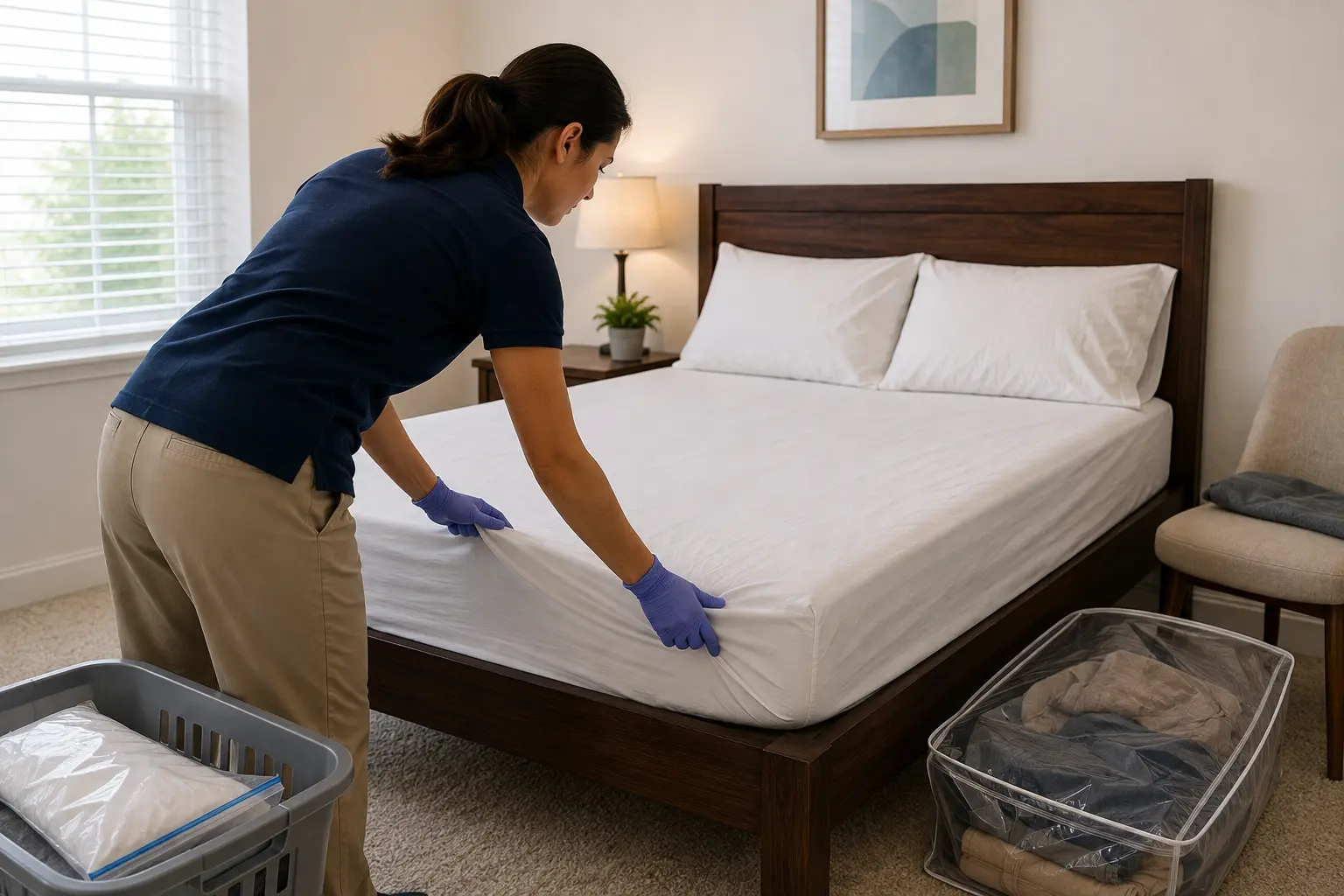
Seeing a technician pack up after bed bug treatment is a huge relief, but it also raises a big question: what do you do next? The steps you take right after the visit can make the difference between total control and another flare-up a few weeks later, so it pays to know exactly how to handle your home after bed bug treatment.
This guide walks you through what to clean, what to leave alone, how to sleep safely, and how to keep watching for any stragglers without losing your mind. You’ll get clear, practical advice you can actually follow on a busy weekday, not just theory.
Most modern treatments don’t wipe out every single bug the second the technician walks out the door. Instead, they create a treated zone that continues killing bed bugs as they move and feed in the days and weeks post bed bug treatment.
That means a little patience is part of the process. You may still see the odd live bug or a few bites early on, especially in heavy infestations, but it doesn’t always mean the work failed. The goal is to let the products keep doing their job while you support the process with smart bed bug treatment aftercare.
Many infestations show a big drop in activity within 7–10 days, with steady improvement over several weeks. Eggs that survived the visit can still hatch, but emerging nymphs usually contact treated surfaces and die before they mature or lay new eggs.
Most companies schedule at least one follow-up visit for stubborn cases, which is why you don’t want to change too much in the home too fast. Good timing on any pest control follow-up is one of the best safeguards against the bugs bouncing back.
It’s common to find dead or dying bugs near beds, skirting boards, and sofas. You may also notice faint chemical odors for a short time, which typically fade with ventilation. These are normal signs that the treatment is active.
What’s not normal is heavy, ongoing activity weeks later in the same hotspots. If you’re still seeing fresh clusters, streaks of fecal spots, or new harborages, it’s time to talk to your provider about bed bug monitoring findings and possible adjustments.
Your first instinct might be to scrub every inch of the house, but heavy cleaning right away can actually work against you. The trick is knowing what kind of cleaning after pest control is safe and what might remove or dilute the treatment.
As a rule of thumb, avoid deep washing or mopping along treated baseboards and furniture legs until your technician tells you it’s fine. Light tidying in the middle of rooms is usually okay, as long as you don’t disturb treated areas.
Textiles are a big piece of pest treatment care because bed bugs love hiding in seams and folds. Wash bedding, pyjamas, and regularly used blankets on the hottest setting the fabric can handle, then machine dry on high heat for at least 30 minutes.
Bag clean items in new, sealed plastic bags or containers so they don’t pick up hitchhikers from untreated zones. Work room by room to avoid dragging infested items through clean spaces after extermination has been completed.
You can usually start light vacuuming a day or two after service, staying clear of crack-and-crevice spots the technician specifically treated. Focus on open floors, mattress surfaces, and around bed frames where debris and dead bugs collect.
Always empty the vacuum immediately into a tightly sealed bag and take it straight outside. This step reduces the risk of reintroducing pests just when bed bug control tips are finally starting to pay off.
It often feels strange to lie down in the same bed that had activity, but using your bed is actually an important part of the plan. The treatment is designed so bed bugs that come out to feed will cross treated zones and die over time after bed bug treatment has been done.
Don’t move to the sofa or another bedroom unless your technician specifically tells you to. Sleeping elsewhere can spread bugs to new rooms and make the problem harder to stamp out.
If you don’t already have them, mattress and box spring encasements rated for bed bugs are worth the investment. They trap any remaining bugs inside and make inspections simpler because you’re checking a smooth surface instead of deep seams.
Pull the bed a few inches away from the wall and keep bedding from touching the floor. This reduces bridge points where pests can crawl up, and it also makes each bed bug inspection faster and more focused.
Where appropriate, your technician may also recommend interceptors under bed legs, which catch bugs trying to climb up. Those devices provide ongoing bed bug monitoring without chemicals, giving you visual proof that populations are dropping.
Even with solid treatment, you still need eyes on the situation. Regular checks of sleeping areas are part of responsible post-treatment care and help catch lingering pockets before they get established as post bed bug treatment weeks go by.
Make a quick inspection part of your weekly routine: lift sheets, check mattress edges, look at headboards, and inspect nearby furniture joints with a flashlight. It doesn’t need to take more than a few minutes once you know exactly where to look.
If your provider suggests another visit, don’t skip it just because activity seems low. Some infestations stay hidden and then flare up, which is why structured pest control follow-up remains the industry standard for serious cases.
Before the visit, follow any prep sheet your technician provides, such as reducing clutter near beds or pulling furniture slightly away from walls. Good prep improves the reach of products used for pest treatment care and helps your technician work more efficiently.
Once the worst is over, prevention becomes the main focus. Small, consistent habits make bed bug prevention after treatment far easier than living through another full infestation later.
Pay extra attention to travel, guests, and secondhand items, since those are the three most common ways these pests hitch a ride back into a clean home. Staying just a bit cautious in these areas pays off for years.
When you return from trips, keep luggage off beds and sofas and unpack over hard floors you can inspect. A simple routine of checking seams and running a dryer cycle on travel clothes is one of the most practical bed bug control tips you can follow.
Be selective with used furniture and textiles, too. Inspect seams, tufts, and screw holes with a flashlight, looking for tiny dark spots, shed skins, or live insects, and don’t be shy about passing on a "free" couch that doesn’t look right after extermination worries you.
In buildings with shared walls, regular visual checks and quick reporting of any suspicious marks help protect everyone. Landlords and building managers are far more effective when they hear about a new issue early during post bed bug treatment rather than months later.
Once you understand the logic behind each step, caring for your home after bed bug treatment feels much less overwhelming. Give the products time to work, clean in the right places, monitor calmly, and stick with follow-up plans if they’re recommended.
If you’d rather have an experienced team handle both the initial visit and all the guidance that comes after, reach out to Kiran Enterprises for clear advice, careful inspections, and a tailored plan that keeps your space protected long after bed bug treatment is complete.
Get a same-day inspection from our certified technicians.
Chat on WhatsAppOr call +91 98452 73699