
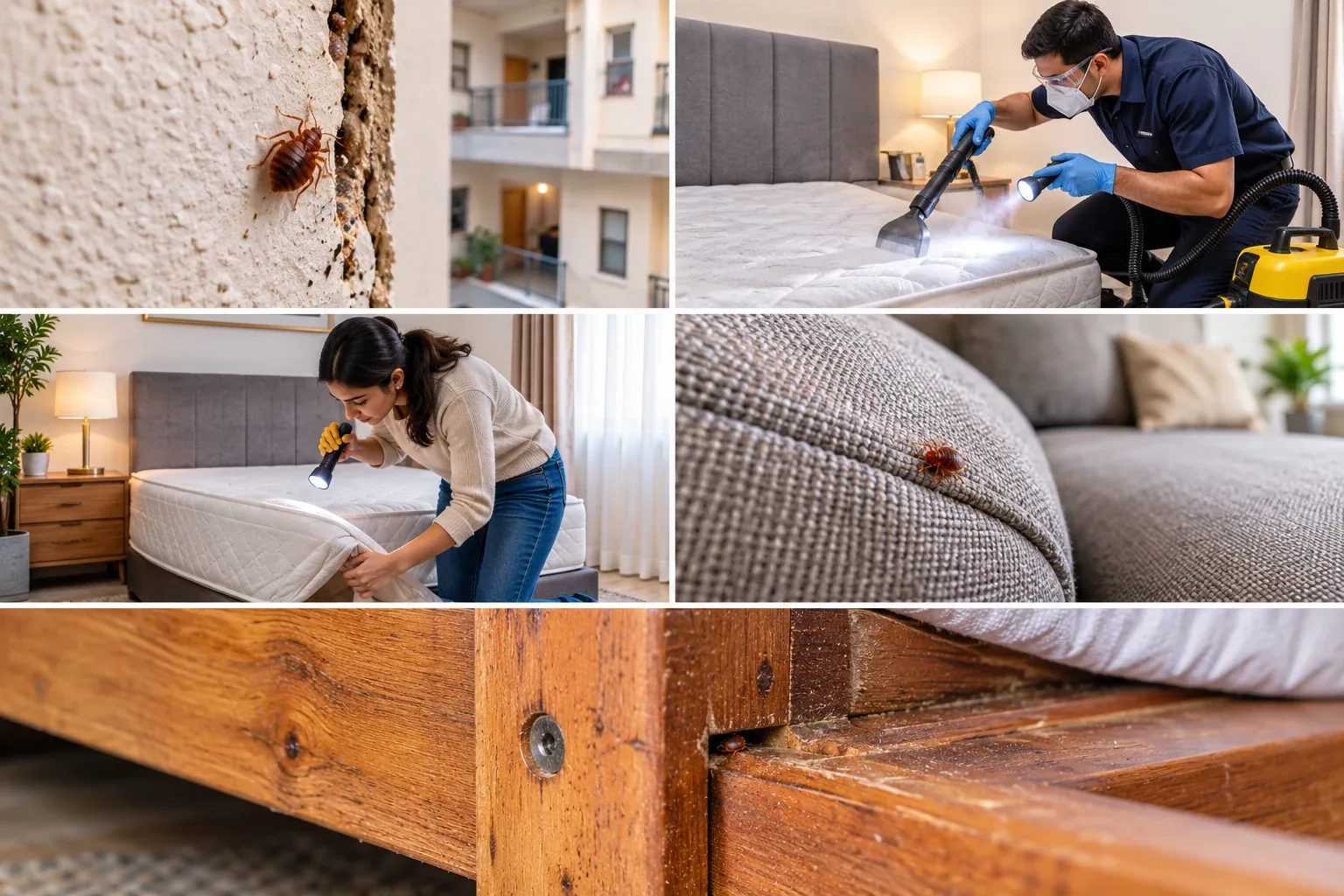
Why Bed Bugs Spread in Apartment Buildings is an important concern for residents of Bangalore's apartments, gated communities, and multi-storey residential complexes. Bed bugs can move between neighbouring flats through belongings, furniture, and certain structural openings, making infestations challenging to control when affected homes are treated separately.
Understanding how bed bugs spread helps residents, landlords, and apartment management teams respond early and coordinate suitable pest control measures. With timely inspection, careful handling of belongings, and professional treatment, the risk of infestations spreading throughout a building can be reduced.
Why Apartment Buildings Are Vulnerable to Bed Bug Infestations
Apartment buildings contain multiple households living close together, often sharing walls, corridors, and building infrastructure. These conditions can provide opportunities for bed bugs to move between units, particularly when infestations remain undetected.
Bed bugs do not fly or jump. They crawl between accessible hiding places and are frequently transported through personal belongings and furniture.
Shared Walls and Structural Openings
Small gaps around wall junctions, skirting boards, service penetrations, and other building openings may allow bed bugs to move between adjoining spaces. Such movement is possible when suitable pathways connect affected units.
Not every apartment infestation spreads through walls. Professional inspection helps identify whether structural movement is likely or whether insects have been introduced through belongings.
Frequent Movement of Residents and Visitors
Apartment residents regularly travel, receive guests, and move personal belongings between locations. Bed bugs can be unintentionally carried inside luggage, backpacks, clothing, and other items.
Frequent movement increases opportunities for accidental introduction, even in clean and well-maintained residential buildings.
Shared Furniture and Household Items
Second-hand sofas, mattresses, bed frames, and other furniture may contain hidden bed bugs. Moving infested furniture through corridors or lifts without proper containment can increase the risk of spreading insects.
Residents should carefully inspect used furniture before bringing it into their apartments.
How Bed Bugs Move Between Neighbouring Apartments
Bed bugs generally remain close to sleeping or resting areas, but they may move when searching for hosts or alternative hiding places. Their ability to conceal themselves in small gaps makes movement difficult to observe.
Movement Through Cracks and Gaps
Bed bugs may crawl through accessible openings around wall joints, skirting boards, and other connected spaces. Where structural pathways exist, insects may reach adjoining apartments.
Sealing suitable gaps can support prevention, but it should complement inspection and treatment rather than replace them.
Movement Through Luggage and Clothing
Bed bugs can hide inside luggage seams, bags, folded fabrics, and personal belongings. Residents returning from travel or shared accommodation may unknowingly introduce insects into their homes.
Inspecting luggage and handling potentially infested clothing carefully can help reduce this risk.
Moving Infested Furniture Between Flats
Discarded mattresses, sofas, and wooden furniture can contain live bed bugs. If these items are moved without containment or collected for reuse, insects may spread to additional homes.
Apartment residents should avoid placing unwrapped infested furniture in shared corridors or common areas.
Can Bed Bugs Spread Through Apartment Corridors?
Bed bugs may be transported through corridors on belongings or furniture. They may also crawl into adjoining areas when suitable routes are available, although corridors are not necessarily the main pathway for every infestation.
Careful movement of belongings and prompt reporting of suspected infestations help reduce unnecessary exposure.
Early Warning Signs of Bed Bugs in Apartment Homes
Early detection is important because bed bugs can remain hidden in mattresses, furniture joints, and other protected locations. Residents should recognise common signs and seek confirmation before assuming that an infestation is present.
Common Signs to Look For
- Live bed bugs: Small, flat, reddish-brown insects around sleeping areas.
- Dark spotting: Bed bug faecal marks on mattress seams, bed frames, or furniture.
- Shed skins: Pale insect skins near hiding places.
- Eggs: Small, pale eggs attached to protected surfaces.
- Blood marks: Small reddish stains on bedding or upholstery.
- Unexplained bites: Skin irritation that may raise suspicion but cannot independently confirm bed bugs.
Where Should Apartment Residents Inspect?
Inspect mattress seams, wooden bed frames, headboards, bedside furniture, and upholstered seating. Use a flashlight to examine accessible cracks and furniture joints without unnecessarily disturbing belongings.
If bed bugs are confirmed, avoid moving affected furniture or bedding into other rooms.
When Should Building Management Be Informed?
Residents should consider informing apartment management when bed bugs are confirmed and there is concern about adjoining units or shared areas. Early communication can support coordinated inspection while protecting residents' privacy.
Management should avoid blaming individual households because bed bug infestations are not reliable indicators of poor cleanliness.
Worried about bed bugs spreading between apartments? Contact Kiran Pest Control for professional inspection and guidance on suitable treatment and prevention measures.
Get a Free Quote Call NowProfessional Bed Bug Treatment for Apartment Buildings
Professional bed bug control begins with identifying affected areas and assessing whether neighbouring units may also require inspection. Treating only visible insects without addressing concealed hiding places may leave an infestation unresolved.
Inspection of Affected Apartments
A trained technician examines mattresses, bed frames, furniture joints, and other likely hiding places. Inspection findings help determine the extent of the infestation and the most suitable treatment approach.
Where evidence suggests movement between units, inspection of adjoining apartments may be recommended with the cooperation of residents and building management.
Targeted Treatment Methods
Depending on the infestation, professional treatment may involve controlled steam application, vacuuming, approved insecticides, and suitable monitoring methods. Treatment should focus on identified hiding places while considering occupant safety and furniture suitability.
Insecticides must be selected and applied according to their labels and applicable regulations. Unnecessary spraying in shared spaces should be avoided.
Coordinated Apartment Treatment
When bed bugs are confirmed in neighbouring flats, coordinated inspection and treatment planning can help reduce the risk of continued movement between affected areas. Communication between residents, property managers, and pest control technicians is important.
Not every apartment in a building automatically requires chemical treatment. Decisions should be guided by inspection findings and professional assessment.
Follow-Up Inspection and Monitoring
Bed bugs may remain hidden in inaccessible locations or emerge from eggs that were not effectively treated. Follow-up inspection helps assess treatment progress and identify continuing activity.
Monitoring may include visual inspection, suitable detection devices, and reports from residents.
How Apartment Residents Can Prevent Bed Bug Spread
Preventive practices can reduce the likelihood of introducing or spreading bed bugs, although no household can completely eliminate the possibility of an infestation.
Practical Prevention Tips for Residents
- Inspect second-hand furniture before bringing it into the apartment.
- Check luggage and belongings after travelling.
- Avoid moving potentially infested bedding between rooms.
- Keep affected belongings securely contained when transporting them for treatment.
- Inspect mattress seams and furniture joints periodically.
- Reduce unnecessary clutter around sleeping areas.
- Use suitable mattress encasements and monitoring devices when recommended.
- Report confirmed bed bug activity promptly.
Preventing Spread During Furniture Disposal
Infested furniture should be securely wrapped before being moved through shared areas. Items intended for disposal should be clearly identified as infested to discourage reuse.
Residents should coordinate with apartment management regarding appropriate disposal procedures.
Should Residents Seal Wall Cracks?
Sealing accessible cracks and gaps may help reduce potential movement pathways. However, sealing should not be treated as a complete bed bug control method because insects may already be present inside furniture or other hiding places.
Professional inspection can help identify areas where repairs or sealing may support a broader pest management plan.
The Role of Apartment Associations and Property Managers
Apartment associations and property managers can support bed bug management by encouraging early reporting, arranging professional inspections when appropriate, and communicating practical prevention guidance.
Encourage Early and Confidential Reporting
Residents may hesitate to report bed bugs because of embarrassment or concern about complaints. Building management should communicate that infestations can occur in any household and that early reporting benefits the community.
Confidential handling of complaints can encourage cooperation and reduce unnecessary conflict.
Coordinate Inspections When Necessary
If bed bugs are confirmed in adjoining apartments, management can help coordinate access for professional inspection. This may help identify connected infestations and prevent repeated treatment of individual units without addressing the wider problem.
Inspection and treatment decisions should be based on evidence rather than assumptions.
Educate Residents About Safe Pest Control
Apartment management can share guidance on recognising bed bugs, handling infested belongings, and avoiding unsafe household remedies. Residents should be discouraged from using kerosene, petrol, alcohol, or unlabelled pesticides.
Professional treatment helps ensure that appropriate methods and safety precautions are considered.
Why Choose Kiran Pest Control in Bangalore?
Kiran Pest Control (Kiran Enterprises) is a licensed pest control company serving Bangalore since 2006. We provide pest management services for residential and commercial properties, focusing on professional inspection, suitable treatment methods, and practical prevention guidance.
Our team can help apartment residents and property managers assess bed bug concerns and recommend appropriate control measures. Learn more about our bed bug control services in Bangalore or visit our contact page for assistance.
Need bed bug control for your apartment or residential complex? Request professional assistance from Kiran Pest Control to assess affected areas and plan appropriate treatment.
Get a Free Quote Call NowFrequently Asked Questions
Can bed bugs spread from one apartment to another?
Yes. Bed bugs may move between adjoining apartments through accessible structural openings or be transported through luggage, furniture, and personal belongings. The actual pathway depends on the building and infestation. Professional inspection can help identify likely sources and affected areas.
Do all apartments need treatment if bed bugs are found in one flat?
Not necessarily. The need for inspection or treatment in neighbouring units depends on evidence of infestation and possible movement pathways. A professional may recommend checking adjoining apartments, but chemical treatment should be based on inspection findings rather than applied automatically throughout the building.
Can bed bugs travel through apartment walls?
Bed bugs may crawl through accessible cracks, gaps, and connected building openings. They do not tunnel through solid walls, but existing structural pathways can sometimes allow movement between adjoining spaces. Sealing suitable openings may support prevention alongside professional treatment.
Should I inform my apartment association about bed bugs?
Informing apartment management can be helpful when bed bugs are confirmed and neighbouring units or shared areas may be affected. Early, confidential communication can support coordinated inspection and reduce the risk of further spread. Bed bug activity should not be treated as evidence of poor housekeeping.
How can I book apartment bed bug treatment in Bangalore?
You can contact Kiran Pest Control at +91 98452 73699 or request a quotation through our website. Our team can discuss the infestation, recommend professional inspection, and explain suitable treatment options for individual apartments or residential properties.
Conclusion
Understanding Why Bed Bugs Spread in Apartment Buildings helps residents recognise how infestations may move through belongings, furniture, and accessible structural openings. Early identification, careful handling of affected items, professional inspection, and cooperation between neighbouring households can help reduce the risk of persistent infestations.
For professional apartment bed bug control assistance in Bangalore, contact Kiran Pest Control at +91 98452 73699 or request a free quote. Explore our pest control blog for more practical information about bed bug prevention, treatment, and apartment pest management.
Need help with a pest problem?
Contact Kiran Pest Control to discuss the issue and arrange an inspection.
Contact our teamNeed Pest Control in Bangalore?
Get a same-day inspection from our certified technicians.
Contact Our Team Chat on WhatsAppOr call +91 98452 73699