
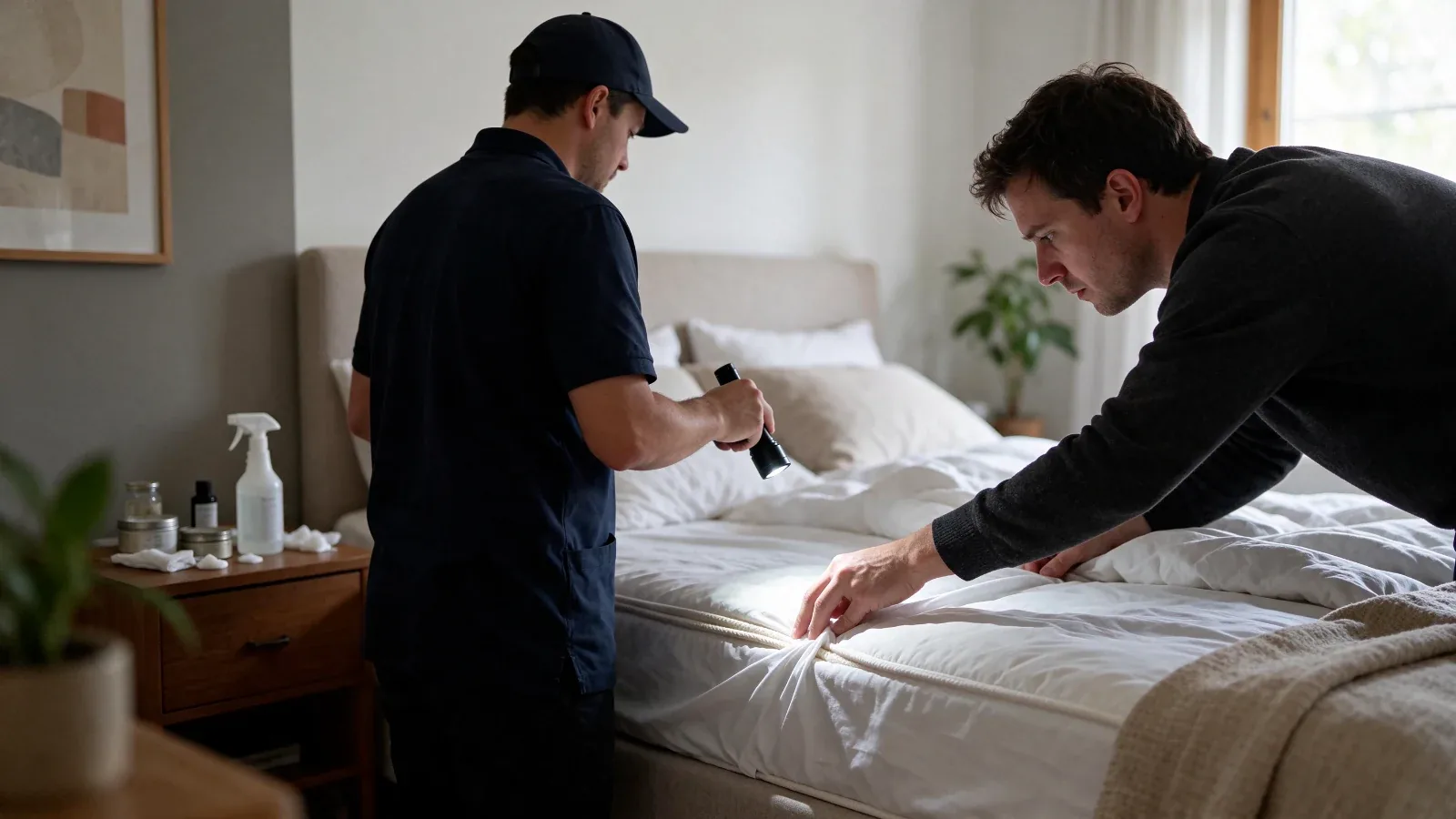
Why DIY Bed Bug Treatment May Not Solve an Infestation is a common concern among Bangalore homeowners who continue noticing bed bugs after using household sprays, cleaning products, or home remedies. Although some do-it-yourself methods can reduce visible insects, eliminating an established infestation often requires locating hidden bed bugs, addressing viable eggs, and monitoring the results.
Bed bugs are difficult to manage because they hide in narrow spaces, spread through belongings, and may survive treatments that do not reach their hiding places. This guide from Kiran Pest Control explains why common DIY approaches sometimes fail, which home management steps can help, and when professional treatment becomes necessary.
Why Bed Bugs Are Difficult to Eliminate
Bed bugs are small, flattened insects that feed on human blood and typically remain concealed between feeding periods. Their behaviour makes them challenging to locate during ordinary household cleaning.
Bed Bugs Hide in Narrow Spaces
Bed bugs may shelter inside mattress seams, wooden bed joints, headboards, upholstered furniture, and protected structural gaps. Many of these locations are difficult to access with ordinary cleaning tools or household sprays.
Removing visible insects from bedding does not necessarily address insects concealed elsewhere in the room.
Eggs Can Remain Hidden
Female bed bugs attach small eggs to protected surfaces, including furniture joints and fabric seams. Eggs can be difficult to identify without careful inspection.
Some treatments may not reliably kill eggs, allowing surviving eggs to hatch after the initial application. This is why follow-up monitoring is important.
Bed Bugs Can Survive Without Frequent Feeding
Bed bugs can remain hidden for extended periods under suitable conditions. Leaving a bedroom unused does not reliably eliminate an infestation.
Moving to another room may also create opportunities for insects to spread through belongings.
Some Bed Bugs Resist Certain Insecticides
Bed bug populations can develop resistance to particular insecticides. Repeatedly applying the same ineffective product may fail to control the infestation.
Professional pest management considers pest identification, product suitability, application methods, and resistance concerns when planning treatment.
Common DIY Bed Bug Treatment Mistakes
Homeowners often try readily available products before arranging professional assistance. Some methods provide limited relief, while others may create unnecessary safety risks.
Spraying Only Visible Bed Bugs
Household sprays may kill certain insects they contact directly, depending on the product. However, bed bugs hidden inside furniture joints, mattress seams, and structural gaps may remain unaffected.
Successful control requires addressing relevant hiding places rather than treating only visible surfaces.
Using Household Cleaning Chemicals
Disinfectants, bleach, and ordinary cleaning products are not reliable substitutes for appropriate bed bug treatment. Applying them to mattresses or furniture can damage materials and expose occupants to irritating chemicals.
Never mix household chemicals or use products in ways not permitted by their labels.
Relying on Strong Smells or Home Remedies
Home remedies involving essential oils, fragrances, or other strong-smelling substances are sometimes promoted as bed bug solutions. Evidence for reliable elimination of established infestations is limited.
Temporary changes in insect activity should not be mistaken for successful eradication.
Discarding Furniture Without Inspection
Throwing away a mattress or bed frame does not guarantee that bed bugs elsewhere in the room have been eliminated. Moving infested furniture through common areas may spread insects.
Professional assessment can help determine whether furniture can be treated or requires safe disposal.
Stopping Treatment Too Early
Homeowners may assume the infestation is over when they stop seeing insects or experiencing bites. However, concealed bed bugs or viable eggs may remain.
Follow-up inspection and monitoring are more reliable than judging treatment success from bite symptoms alone.
Why DIY Methods May Leave Bed Bugs Behind
Some do-it-yourself approaches can contribute to bed bug management, but their effectiveness depends on correct application, suitable equipment, and thorough inspection.
Vacuuming Does Not Reach Every Hiding Place
Careful vacuuming may remove accessible bed bugs, eggs, and debris from mattresses, furniture, and nearby surfaces. However, insects concealed deep inside joints or structural gaps may remain.
Vacuum contents should be contained and disposed of carefully to reduce the risk of insects escaping.
Ordinary Washing May Be Insufficient
Appropriate heat-based laundering and drying can help control bed bugs on suitable fabrics. Washing at temperatures that do not reach lethal conditions may leave insects or eggs alive.
Always follow fabric care instructions and avoid transferring potentially infested laundry through unaffected areas without containment.
Uncontrolled Heat Can Be Dangerous
Some homeowners attempt to heat bedrooms using ordinary heaters, hair dryers, or other household equipment. These methods may fail to heat concealed insects adequately and can create fire or equipment hazards.
Professional heat treatment requires controlled conditions, suitable equipment, and careful temperature monitoring.
Insecticide Foggers May Miss Hidden Insects
Foggers and similar products may not penetrate protected bed bug hiding places. Their use can also create exposure risks and may cause insects to move into other locations.
Do not use indoor pesticide products unless their labels specifically permit the intended application.
Still finding bed bugs after home treatments? Book a professional inspection to identify hidden activity and discuss suitable treatment options.
Get a Free Quote Call NowHow Professional Bed Bug Treatment Addresses Hidden Infestations
Professional pest management begins with accurate identification and inspection. Treatment methods are selected according to infestation findings, furniture conditions, and applicable safety requirements.
Detailed Inspection of Hiding Places
Technicians examine mattress seams, bed frames, headboards, upholstered furniture, and relevant surrounding areas. Inspection findings help identify where bed bugs are present and which locations require treatment.
Accurate identification also helps distinguish bed bugs from other insects that may appear similar.
Integrated Pest Management
Integrated Pest Management combines inspection, physical removal, targeted treatment, prevention, and follow-up monitoring. This approach addresses the infestation more systematically than relying on a single household product.
It also helps avoid unnecessary pesticide applications in areas without confirmed activity.
Targeted Chemical Treatment
Where suitable, trained professionals may apply insecticides authorised for bed bug control and the intended surfaces. Product selection and application should follow label directions and relevant safety requirements.
Treatment should focus on appropriate locations rather than indiscriminate spraying of bedding or household belongings.
Professional Heat and Steam Treatment
Controlled heat can kill bed bugs and eggs when the required conditions reach the insects. Steam may help treat accessible furniture seams and compatible surfaces.
However, heat and moisture can damage certain materials, so professional assessment is important before selecting these methods.
Follow-Up Monitoring
Follow-up inspections help determine whether insects remain after treatment. Additional control measures may be necessary depending on the infestation and methods used.
Explore professional bed bug control services in Bangalore from Kiran Pest Control.
What Homeowners Can Safely Do Before Professional Treatment
Homeowners can take practical steps to reduce unnecessary spreading while waiting for inspection. These measures support pest management but may not eliminate an established infestation independently.
Document Suspicious Evidence
Take clear photographs of suspected insects, faecal spots, shed skins, or eggs. If possible, preserve an insect specimen safely in a sealed container for identification.
Physical evidence is more useful than relying only on unexplained skin reactions.
Avoid Moving Infested Belongings
Do not transfer suspected infested mattresses, clothing, or furniture into unaffected rooms. Unnecessary movement may introduce bed bugs to additional areas.
Contain Laundry Carefully
Place potentially infested fabrics into suitable sealed bags before transport. Follow appropriate laundering and drying instructions for the materials.
Keep processed items protected from re-exposure while treatment and monitoring continue.
Reduce Clutter Around Beds
Organising belongings can improve access for inspection and treatment. However, avoid moving clutter into other rooms without checking for possible bed bug activity.
Avoid Unapproved Pesticides
Do not use agricultural pesticides, outdoor insecticides, or other products that are not authorised for indoor bed bug applications. Incorrect chemical use can create health risks without controlling concealed insects.
Preventing Bed Bugs After Treatment
After treatment, continued awareness and monitoring can help identify remaining or newly introduced bed bugs. Prevention is especially important in apartments, shared housing, and furnished rental properties.
Monitor Beds and Furniture
Check relevant mattress seams, bed frames, and nearby furniture for live insects or fresh evidence. Suitable monitoring devices may assist detection when used correctly.
Inspect Second-Hand Furniture
Used mattresses, bed frames, and upholstered furniture may introduce bed bugs. Inspect such items carefully before bringing them into the home.
Check Luggage After Travel
Bed bugs may occasionally travel with luggage and personal belongings. Inspect bags and relevant items after staying in accommodation where infestation is suspected.
Follow Professional Instructions
Follow preparation, cleaning, and re-entry instructions supplied by the pest control provider. Avoid washing or disturbing treated areas contrary to product guidance.
Report continuing evidence promptly so the technician can assess whether additional treatment or monitoring is necessary.
Need a reliable plan for persistent bed bugs? Contact Kiran Pest Control for professional inspection, appropriate treatment recommendations, and follow-up guidance.
Get a Free Quote Call NowFrequently Asked Questions
Can DIY bed bug treatment completely eliminate an infestation?
Some carefully applied home management methods can help control limited infestations, but success depends on accurate identification, thorough treatment, and monitoring. Established infestations may require professional assistance when hidden insects or eggs remain.
Why do bed bugs return after using household sprays?
Bed bugs may remain concealed in locations that sprays do not reach, while some eggs may survive certain treatments. Insecticide resistance, incorrect application, and new introductions can also contribute to continuing activity.
Does washing bedsheets remove bed bugs completely?
Suitable laundering and drying can help control bed bugs on washable fabrics, but insects hidden in bed frames, furniture joints, and surrounding gaps may remain. Laundry treatment should be combined with appropriate inspection and control measures.
Are home remedies effective against bed bug eggs?
Many popular home remedies have limited evidence of reliable effectiveness against bed bug eggs. Appropriate heat treatment and other suitable professional methods may be more dependable when applied correctly.
When should I contact a professional bed bug control company?
Professional inspection is advisable when live bed bugs are confirmed, activity continues after home treatment, or insects appear in multiple hiding places. Early assessment can help identify the extent of infestation and suitable control options.
Conclusion
Understanding Why DIY Bed Bug Treatment May Not Solve an Infestation helps Bangalore homeowners avoid ineffective methods and unnecessary chemical exposure. Bed bugs can remain concealed inside furniture, survive incomplete treatments, and continue developing from viable eggs. Accurate identification, appropriate treatment, and follow-up monitoring are essential for managing persistent infestations.
Kiran Pest Control (Kiran Enterprises) is a licensed pest control company serving Bangalore since 2006. For professional bed bug treatment in Bangalore, request a free quote or contact our team at +91 98452 73699. Explore more pest control articles or visit the Kiran Pest Control homepage for additional information.
Need help with a pest problem?
Contact Kiran Pest Control to discuss the issue and arrange an inspection.
Contact our teamNeed Pest Control in Bangalore?
Get a same-day inspection from our certified technicians.
Contact Our Team Chat on WhatsAppOr call +91 98452 73699