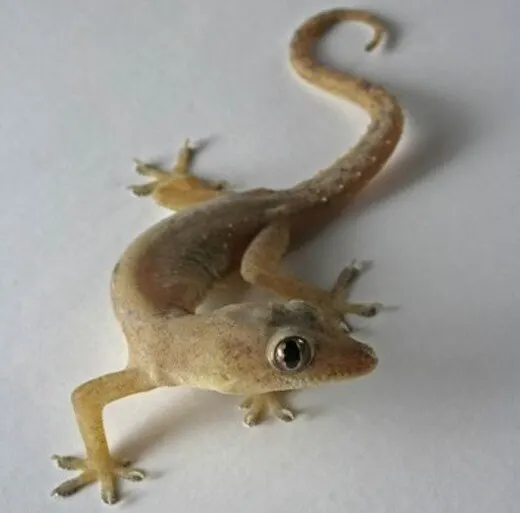
Residual spray and repellent treatment that keeps lizards out of living spaces.
Lizard Control in Hosur Road: Lizards are drawn indoors by insects, warmth, and easy hiding spots behind frames, switchboards, and furniture — and repellent sprays alone rarely keep them away for long.
We combine residual spray treatment around entry points with insect-control measures that remove the food source lizards are actually chasing.
From ₹1,299.
Hosur Road connects the city to the Electronic City IT corridor, with a dense mix of tech offices, warehouses, and residential layouts along the stretch. Commercial units need scheduled pest control to meet workplace hygiene standards, while nearby homes deal with routine cockroach and ant activity.
Lizards seen regularly near lights or switchboards
Small dark droppings on walls or shelves
Shed skins found behind furniture or frames
Egg clusters in wall cracks or corners
We check gaps around doors, windows, and utility openings.
Treatment is applied along walls, frames, and common hiding spots.
Reducing insect activity removes the main food source drawing lizards in.
A revisit confirms activity has dropped off.
The product and application method are selected after inspection, based on the pest, treatment area, and how the space is used. The technician can identify the product and formulation being applied and explain the label precautions before work begins. Tell the team in advance about children, pets, aquariums, food-preparation areas, or sensitivities so the treatment plan can account for them.
Follow the technician’s instructions on covering or removing food and belongings, keeping people and pets away during application, ventilation, and cleaning. Re-entry timing depends on the product and application; use the product label and the technician’s room-specific guidance rather than a fixed time that may not fit your treatment.
A lizard inspection looks beyond the places where one is seen. The technician checks window and door gaps, utility openings, ledges, ceiling edges, storage areas, and sheltered spots behind fixtures. Because lizards follow insects, the survey also considers lights that attract flying insects, food crumbs, and nearby insect activity. This helps distinguish a single entry route from a wider issue around the building. In apartments, access to balconies, common corridors, and service shafts may affect which areas can be covered during one visit.
The treatment plan may use residual application at suitable entry points and hiding areas, together with steps to reduce insect activity. Move food, dishes, children’s items, and pet bowls away from application areas as directed. The technician will explain which surfaces are included, how to ventilate the space, and when it is appropriate to let children and pets back in. Seal accessible gaps and reduce insects around lights where practical, but confirm any sealing or electrical work separately if it is outside the pest treatment scope.
The displayed price is a starting point for the listed service; the exact quote depends on the rooms and perimeter to be treated, access, and the conditions found during inspection. Ask whether the amount covers one visit or any planned return. The follow-up visit and any warranty terms should be confirmed in the service record, including the period and what activity is eligible for a revisit. If lizards return because insects remain plentiful or an opening is still present, the technician can help identify the next practical step and whether further treatment is included or quoted separately.
The product and formulation are selected for the pest, affected areas, and property use. Before treatment, tell the technician about children, pets, aquariums, food preparation, or sensitivities. The technician will explain the product being used, where it will be applied, and the label-based precautions to follow.
There is no single re-entry time for every treatment. Follow the product label and the technician’s instructions for the specific rooms and application; timing can depend on the product, ventilation, and treated surfaces.
Follow-up and warranty terms depend on the pest, property, and agreed treatment scope. The written quote or service record should state the applicable coverage period, what it covers, and how to request a revisit.
AMC availability and visit schedules depend on the property and pest risks. Ask for a property-specific plan that lists covered pests, areas, visit frequency, pricing, and call-back terms.
Pricing starts from ₹1,299. The final amount depends on property size and treatment scope; request a quote for Hosur Road.
For recurring pest risks, ask whether this treatment can be included in a scheduled maintenance plan. The covered services, visit frequency, follow-up terms, and price are confirmed for your property.
Explore Pest Control AMC